
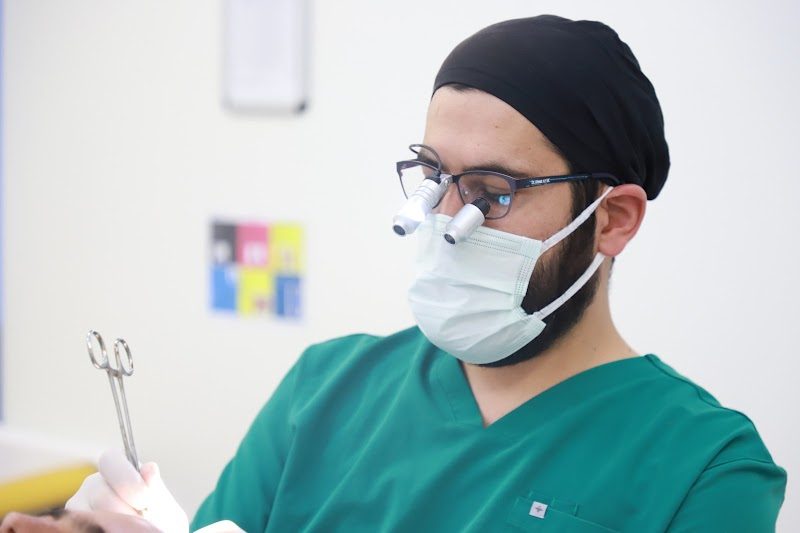
Dr. Ahmet Ayık is a physician practising Eyebrow Transplant in Sancaktepe, Istanbul.
A beard and moustache transplant is a surgical procedure that moves your own hair follicles, usually from the back of the scalp, into thin or empty areas of the beard, moustache or sideburns. This page covers candidacy, the steps, how the areas differ, recovery, risks, cost factors and choosing a doctor.
duration300 min
recovery10 days
resultPermanent
price₺25.000–75.000
Ranked by plan, rating and patient reviews
Dr. Ahmet Ayık is a physician practising Eyebrow Transplant in Sancaktepe, Istanbul.
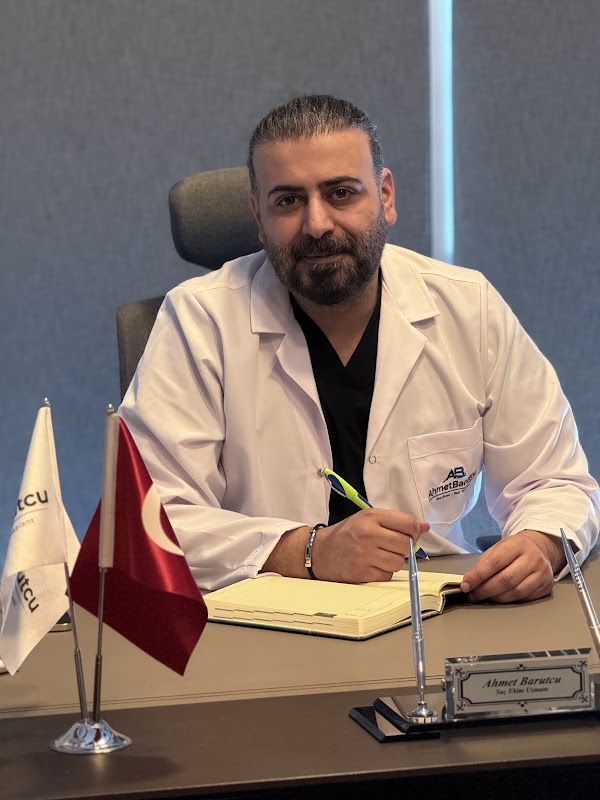
Dr. Ahmet Barutcu is a physician practising Beard & Moustache Transplant in Ankara.
A beard and moustache transplant is the relocation of your own hair follicles into thin or bare areas of the face. The follicles are most often taken from the back of the scalp. Hair in this area can be separated into single-hair and two-hair grafts, which suits the fine, natural pattern of facial hair. In some cases follicles can also be taken from body areas such as the chest.
The procedure uses the same techniques as a scalp hair transplant. Follicles are removed one by one, as in FUE, and placed with fine forceps or with the implanter pen used in DHI. Facial hair grows at a very flat angle, so placement needs more precision than on the scalp.
Yes, other options can be considered first. Beard growth continues into the mid-twenties for some men, so waiting is reasonable for younger patients. Patchiness caused by alopecia areata needs treatment before any transplant. Medication may be discussed in selected cases, but gained hairs may fall out once it is stopped. A transplant lasts longer, but it is surgery.
A beard transplant suits men whose beard never grew in, grows sparsely or has patchy gaps, and who have enough donor hair on the scalp. Areas where hair does not grow because of burns, surgery or other scars can also be treated. The moustache and sideburns can be planned on their own or together with the beard.
The procedure is usually postponed or not recommended in these situations:
The final decision on suitability is made by the doctor after an examination.
A beard and moustache transplant is done under local anaesthesia and usually takes about 4 to 7 hours, depending on the size of the area. The main steps are:
The three areas differ in purpose, hair direction and the number of grafts they need. Depending on your goals, one area or several can be treated in the same session.
| Area | Purpose | Point to consider |
|---|---|---|
| Beard (cheeks and chin) | Fill gaps and add density | Large areas need a high number of grafts |
| Moustache | Complete a thin or broken moustache | The upper lip is sensitive, and hair grows down and outward |
| Sideburns | Connect scalp hair with the beard | Scalp and beard directions must blend |
| Scar areas | Cover a scar with hair | Graft survival in scar tissue is less predictable |
Scalp hair can differ slightly from beard hair in thickness or curl, which is taken into account during planning.
Skin healing after a beard transplant usually takes 7 to 10 days, while the final result develops over months. Timelines vary, but the general course looks like this:
In the first days, avoid pressing on the face or scratching the area. Transplanted follicles keep the characteristics of the donor area, so the new hairs are generally permanent. If density is not enough in some areas, a second session can be discussed after about a year.
The common side effects are redness, swelling, crusting and temporary tenderness, and these usually settle within a few weeks. Other risks to know about include:
Increasing pain, discharge or fever in the treated area should be reported to your doctor.
The cost depends mainly on the size of the area and the number of grafts needed. Other factors include:
You can see the current price range in the pricing section of this page. The exact fee is set after an examination and a written treatment plan.
A beard transplant is surgery, so it should be carried out in a licensed healthcare facility under a doctor's responsibility. In Turkey it is mostly performed by dermatologists and by specialists in plastic, reconstructive and aesthetic surgery. Designing the beard line and hair direction on the face takes experience. You can ask these questions at the consultation:
You can compare doctors who perform beard and moustache transplants on DoktorNo by city.
The information on this page is for general information only and is not medical advice. The suitable method for you can only be determined by a physician examination.
₺25.000 – ₺75.000
Türkiye national average. City-by-city price table:
City-by-city price table →