
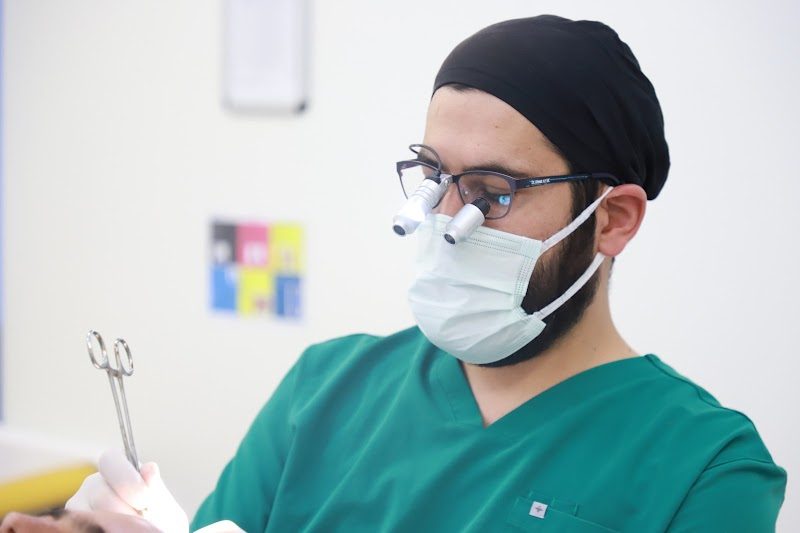
Dr. Ahmet Ayık is a physician practising Eyebrow Transplant in Sancaktepe, Istanbul.
DHI hair transplant is a method in which hair follicles are taken one by one and placed directly into the scalp with an implanter pen, without opening channels first. This page explains the steps, how DHI differs from FUE, the limits of unshaven transplants, recovery, risks, cost factors and choosing a doctor.
duration420 min
recovery10 days
resultPermanent
price₺35.000–110.000
Ranked by plan, rating and patient reviews
Dr. Ahmet Ayık is a physician practising Eyebrow Transplant in Sancaktepe, Istanbul.
Dr. Şura Ünal is a physician practising DHI Hair Transplant in Ankara.
Dr. Erkan Özgün is a physician practising DHI Hair Transplant in Ankara.
Dr. Elif Dinçarslan is a physician practising DHI Hair Transplant in Izmir.
A DHI hair transplant is a method in which follicles are placed directly into the recipient area with a tool called an implanter pen. DHI stands for direct hair implantation. The tool is also known as the Choi pen, after the South Korean design it is based on.
DHI is not a separate extraction technique. Follicles are taken from the donor area one by one, exactly as in FUE. The difference is how the follicles are placed into the recipient area.
DHI is done under local anaesthesia and usually takes about 6 to 8 hours or longer, depending on the number of grafts. The steps are:
Several pens are used in rotation. While the team loads the pens, the doctor or an authorised team member continues implanting. Needle tips are chosen in different sizes to match graft thickness. The method demands careful manual skill at both stages, so team experience directly affects time and outcome.
The difference is whether channel opening and placement are separate steps or happen together. In FUE, all channels are opened in the recipient area first, and follicles are then placed into them with forceps. DHI has no separate channel-opening stage. The pen opens the channel and releases the follicle in the same movement.
| Feature | DHI | FUE |
|---|---|---|
| Extraction | One by one, with a fine punch | One by one, with a fine punch |
| Placement tool | Implanter pen | Forceps |
| Channel opening | At the same time as placement | Separate stage, with steel or sapphire blades |
| Shaving the recipient area | Can be unshaven in some cases | Usually shaved |
| Speed | Usually slower | Usually faster |
| Suited to | Limited areas, densifying, hairline | Larger bald areas |
| Cost | Usually higher | Usually lower |
In DHI, the angle and direction of each follicle are set in one step with the pen, which is often presented as an advantage in the hairline. It is also said that follicles spend less time outside the body. Strong studies comparing the outcomes of the two methods directly are limited. Careful planning, graft quality and team experience matter more for the result.
An unshaven DHI places follicles between existing hairs without cutting them in the recipient area. Working between existing hairs is easier with a pen, which is why this option is linked with DHI. People who want to densify a thinning area, or who prefer the procedure to be less noticeable, may ask about it.
Unshaven transplants have limits. Existing hair blocks the view, so the procedure takes longer. Fewer grafts may be placed in one session. The donor area usually cannot stay fully unshaven either; follicles are often taken from a narrow strip hidden under longer hair. Your doctor will decide whether this option suits you.
DHI is often suggested for people with limited bald areas, those who want to densify a thinning area, and those having hairline work. As with any method, enough donor hair is the basic requirement.
Precise control of angle and direction is also why the pen is often used for facial hair, such as beard, moustache and eyebrow transplants, where hairs grow at flat and changing angles.
DHI may not be recommended in these situations:
The doctor decides on suitability after an examination.
Skin healing after DHI usually takes 10 to 14 days, while the result develops over months. Swelling of the forehead and tenderness in the donor area are common in the first days. Crusts in the recipient area usually fall off within 7 to 10 days.
Transplanted hairs may shed in the first weeks, which is known as shock loss. New hairs usually start to grow between the third and fourth month. The final result is assessed after 12 to 18 months. Most people can return to desk work within a few days to a week. The clinic will explain when and how to do the first wash. In the first days, do not touch or scratch the area or wear a tight hat. Follow the doctor's advice on when to return to sport and swimming.
The risks of DHI are largely the same as those of FUE, because extraction is done the same way. Swelling, pain, itching and crusting are common. Other risks include:
The cost of DHI depends on the number of grafts and the time and work the procedure requires. Other factors include whether the transplant is unshaven, how much the doctor performs personally, the city and whether follow-up, medication and aftercare products are included. You can see the current price range in the pricing section of this page; the exact fee is set after an examination.
DHI is surgery and should be done in a licensed healthcare facility under a doctor's responsibility. In Turkey it is mostly performed by dermatologists and specialists in plastic, reconstructive and aesthetic surgery. You can ask:
You can compare doctors who perform DHI on DoktorNo by city.
The information on this page is for general information only and is not medical advice. The suitable method for you can only be determined by a physician examination.
₺35.000 – ₺110.000
Türkiye national average. City-by-city price table:
City-by-city price table →