
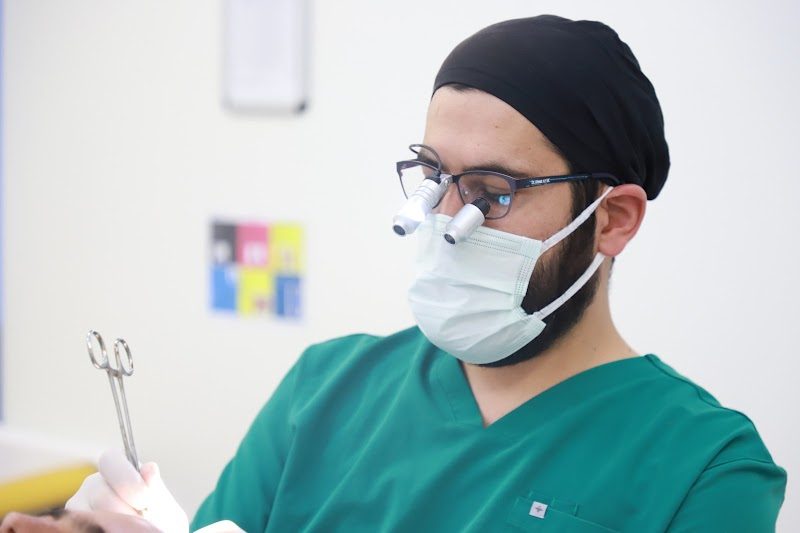
Dr. Ahmet Ayık is a physician practising Eyebrow Transplant in Sancaktepe, Istanbul.
Eyebrow transplant is a hair restoration procedure in which hair follicles, usually taken from the back of the scalp, are placed one by one into thin or missing brow areas. This page covers the steps, who it suits, recovery and results, risks, cost factors and choosing a doctor.
duration180 min
recovery7 days
resultPermanent
price₺15.000–45.000
Ranked by plan, rating and patient reviews
Dr. Ahmet Ayık is a physician practising Eyebrow Transplant in Sancaktepe, Istanbul.

Dr. Ömer Faruk is a physician practising Plastic Surgery in Bahçelievler, Istanbul.
Dr. Said Sadiki is a physician practising Eyebrow Transplant in Avcılar, Istanbul.
An eyebrow transplant is a surgical procedure that moves your own hair follicles (follicular units) to the brow area. The follicles are usually taken from the back of the scalp. Hair in this area is considered more resistant to shedding.
The procedure is based on the same principles as a scalp hair transplant. The difference is that the area is small and the angle of each hair is critical. Brow hairs grow close to the skin, at a flat angle and in a set direction. A natural result depends on copying that angle.
Scalp hair is often thicker and longer than brow hair. This is why the doctor usually selects fine, single-hair follicles from the donor area. Using many thick grafts in the brow can look harsh and unnatural.
Brow loss has many causes. Over-plucking, scars, burns, inherited sparseness and some medical conditions can all affect the brows. The underlying cause shapes the treatment plan. If an active condition is present, it is assessed first.
An eyebrow transplant is done under local anaesthetic in a single session that usually lasts a few hours. The steps usually follow this order:
An eyebrow transplant suits people whose brow loss has become permanent and who have enough donor follicles. The doctor decides suitability after an examination.
It may suit people with:
In some cases the procedure is postponed or not advised. During the active phase of conditions such as alopecia areata, transplanted follicles can also be affected. Treatable causes such as thyroid disease are investigated first. People with a hair-pulling disorder (trichotillomania) may find the problem returns. Bleeding disorders raise the risk.
The procedure usually takes 2 to 4 hours, depending on the number of grafts. Most people return to desk work within a few days.
Redness, mild swelling and small crusts are common in the first days. Crusts usually fall off within 7 to 10 days. The small wounds at the donor area close over a similar time.
Most transplanted hairs fall out in the first weeks. This is known as shock loss and is expected. New hairs usually start to grow within 3 to 4 months. The final look generally appears between 6 and 12 months.
Follicles that take hold are permanent. They keep the character of scalp hair and continue to grow longer. This is why transplanted brows need regular trimming and shaping. Brow gels can help guide the direction of the hairs over time.
Before the procedure, tell your doctor about every medicine you take. Blood thinners, some herbal supplements and alcohol can increase bleeding. Only your doctor can decide which medicine to stop and when. Smoking can slow wound healing.
The first days after the procedure matter most for the grafts. Key points are:
As a surgical procedure, an eyebrow transplant carries some risks. Possible side effects include:
Some people need a second session. Hairs that grow in the wrong direction are not always easy to correct, which is why careful planning matters.
An eyebrow transplant is the only option that adds real hair to the brow. Other methods change how the brow looks but do not grow hair.
| Method | What it does | How long it lasts |
|---|---|---|
| Eyebrow transplant | Moves your own follicles to the brow | Grafts that take hold are permanent |
| Microblading | Deposits pigment as fine hair-like strokes | Usually fades within 1 to 2 years |
| Permanent make-up | Shades the brow area with pigment | Fades over a few years |
| Brow serums | May support the look of existing hairs | Works only while you keep using it |
The right option depends on the state of your brows and what you expect.
The cost depends mainly on the size of the area and the technique used. The price range on this page gives only a general idea. Factors include:
A consultation is needed for an exact quote, because graft numbers cannot be estimated without seeing the brows.
In Turkey, hair transplants must be done in licensed healthcare facilities under a doctor's responsibility. This field mostly involves dermatologists and plastic, reconstructive and aesthetic surgeons. You can compare them in the doctor list by city. When choosing, ask:
The information on this page is for general information only and is not medical advice. The suitable method for you can only be determined by a physician examination.
₺15.000 – ₺45.000
Türkiye national average. City-by-city price table:
City-by-city price table →