

I currently work at my own private practice in Nişantaşı, Istanbul.
Eyelid and eye surgery is a group of surgical procedures that reshape the skin, muscle and fat around the eyelids and eye corners. This page covers how blepharoplasty is done, who it suits, recovery, risks, cost factors, choosing a surgeon and how eyelid, under-eye and almond eye surgery differ.
Ranked by plan, rating and patient reviews
I currently work at my own private practice in Nişantaşı, Istanbul.
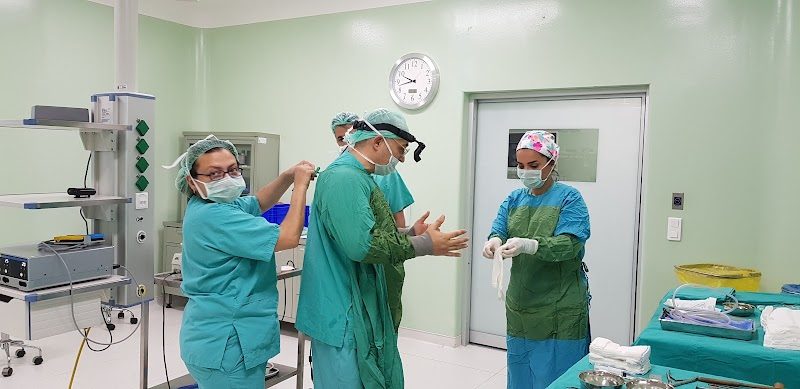
Dr. Cihan Uçar is a physician practising Plastic Surgery in Şişli, Istanbul.
Dr. Niyazi Altıntoprak is a physician practising Rhinoplasty in Ataşehir, Istanbul.

Dr. İsmail Küçüker is a physician practising Rhinoplasty in Kadıköy, Istanbul.
Dr. Zaur Zakiev is a physician practising Eyelid & Eye Surgery in Esenyurt, Istanbul.

Dr. Korhan Fazıl is a physician practising Eyelid & Eye Surgery in Ataşehir, Istanbul.

Dr. Süleyman Özer is a physician practising Eyelid & Eye Surgery in Şişli, Istanbul.

Dr. Sevim Çakmak is a physician practising Eyelid & Eye Surgery in Bakırköy, Istanbul.
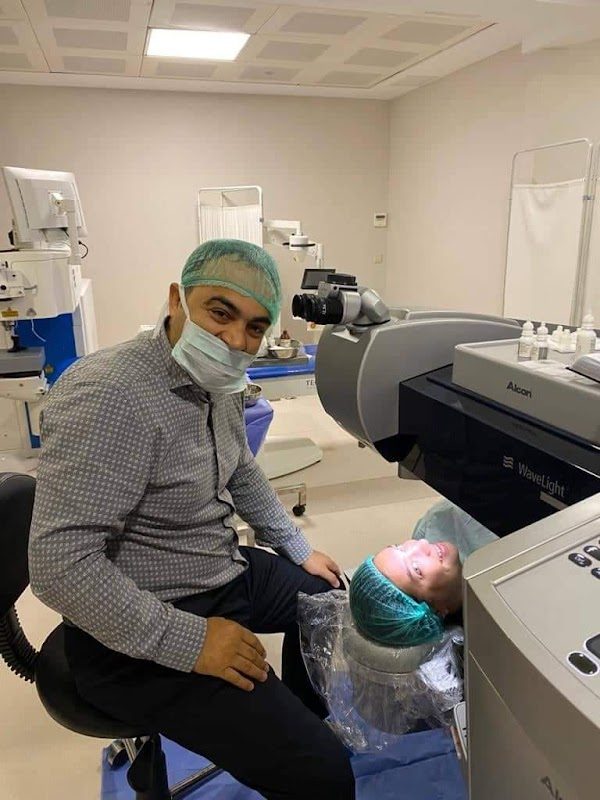
Dr. Mehmet Tetikoğlu is a physician practising Eyelid & Eye Surgery in Zeytinburnu, Istanbul.

Dr. Gökhan Gülkılık is a physician practising Eyelid & Eye Surgery in Şişli, Istanbul.
Dr. Hüseyin Şimşek is a physician practising Eyelid & Eye Surgery in Gaziosmanpaşa, Istanbul.

Dr. Nuran Kalekoğlu is a physician practising Eyelid & Eye Surgery in Bahçelievler, Istanbul.
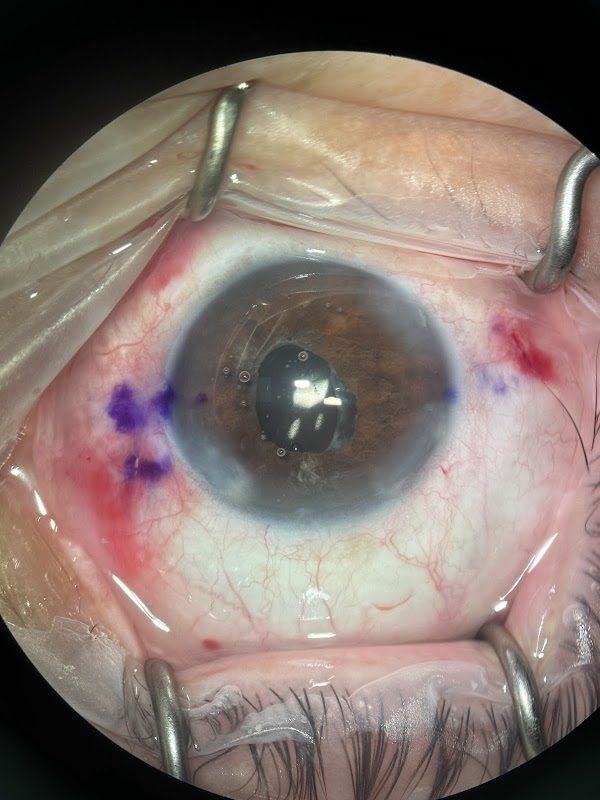
Dr. Ufuk Ürdem is a physician practising Eyelid & Eye Surgery in Istanbul.
Dr. Ümran Muslu is a physician practising Face & Neck Aesthetics in Üsküdar, Istanbul.

Dr. Emre Üregen is a physician practising Breast Aesthetics in Sarıyer, Istanbul.

Dr. Sena Elden is a physician practising Rhinoplasty in Istanbul.

Dr. İlsun Aka is a physician practising Rhinoplasty in Istanbul.
Dr. Anıl Kaya is a physician practising Eyelid & Eye Surgery in Kartal, Istanbul.
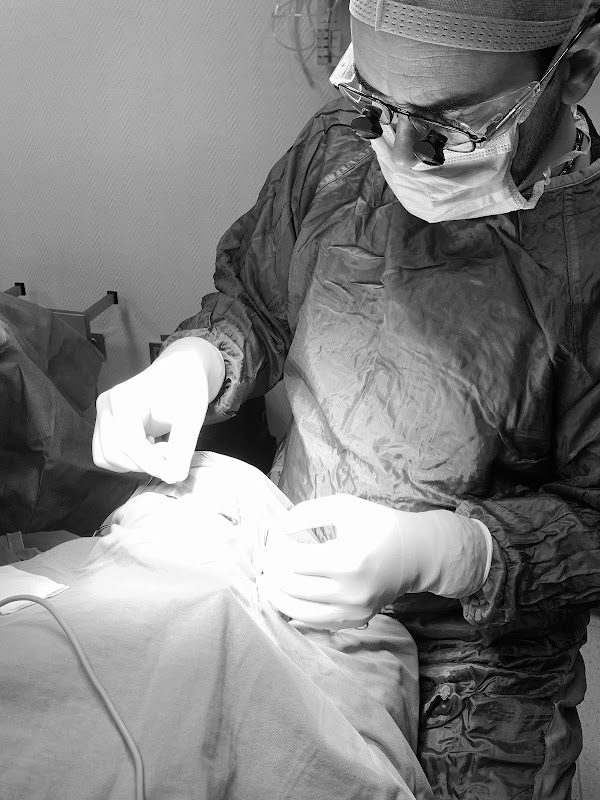
Dr. Altuğ Çetinkaya is a physician practising Eyelid & Eye Surgery in Istanbul.
Dr. Sultan Ünsal is a physician practising Eyelid & Eye Surgery in Kadıköy, Istanbul.
Eyelid and eye surgery covers operations that change the shape of the eyelids or the corners of the eyes. The most common is eyelid surgery, known medically as blepharoplasty. With age, upper eyelid skin loosens and can fold over the lashes. In the lower lid, fat can push forward and create bags. Blepharoplasty removes the excess or repositions the fat.
Blepharoplasty is not always cosmetic. When excess upper lid skin is severe, it can narrow the upper part of your field of vision. A lid that sits low because of weak muscle is called ptosis. Ptosis is not corrected by blepharoplasty but by a separate eyelid lifting operation. The surgeon makes this distinction during the consultation.
Eyelid surgery removes excess tissue through incisions hidden in natural skin folds. In the upper lid, the incision sits in the natural crease. In the lower lid, it is made just below the lashes or on the inside of the lid (transconjunctival approach). The inside approach leaves no visible scar and may be chosen when there is no extra skin.
Upper or lower lid surgery alone usually takes one to two hours. Treating all four lids takes longer.
Tell your surgeon about every medicine you take. Blood thinners, some painkillers and herbal supplements can increase bleeding, and only your surgeon should decide whether to stop them. If you smoke, stopping a few weeks before surgery is advised. No eye make-up is worn on the day. Even with local anaesthetic, sedation means you should not drive, so arrange for someone to take you home.
Eyelid and eye surgery is considered for healthy adults with excess eyelid skin or under-eye bags. The surgeon decides suitability after an examination. The following may need extra assessment or a delay:
An ophthalmologist may be asked to check your vision and tear film first. If you wear contact lenses, mention this as well.
Visible bruising and swelling usually settle within one to two weeks. Stitches are usually removed within a week. Most people return to social life in about ten days to two weeks. Cold compresses and sleeping with the head raised help reduce swelling in the first days. Watery eyes, dryness or light sensitivity can occur for a while. Long periods in front of screens can make dryness worse early on. Your surgeon may suggest lubricating drops or ointment.
Contact lenses, eye make-up and heavy exercise are usually postponed for a few days to a few weeks. Scars take months to fade. These timings vary, so follow your surgeon's advice.
Removed tissue does not come back, and results usually last many years. Ageing continues, so the upper lid may loosen again over time. Lower lid bags return less often. Sagging in the lower face and neck is treated separately under face and neck aesthetics.
The risks include dry eye, difficulty closing the eye fully, the lower lid pulling down and asymmetry. The main risks are:
Severe pain, increasing pressure in the eye or reduced vision after surgery need urgent assessment. Contact your surgeon straight away.
The cost depends on how many lids are treated and the technique used. Price ranges are shown in a separate section of this page. The main factors are:
Look for a surgeon whose specialty includes regular eyelid surgery. You can compare eyelid surgeons in the doctor list by city. In Turkey these operations are performed by plastic, reconstructive and aesthetic surgeons, and by ophthalmologists who work in oculoplastic surgery. At the consultation you can ask:
Eyelid, under-eye and almond eye surgery target different parts of the eye area. Eyelid surgery usually deals with excess skin on the upper lid. Under-eye surgery focuses on bags and hollowing in the lower lid. Almond eye surgery changes the position of the outer eye corner to give a more upswept look. This is known medically as canthoplasty or canthopexy. Risks include the corner slipping back to its old position or tightness in the lid.
| Procedure | Target area | Common technique | Point to keep in mind |
|---|---|---|---|
| Eyelid surgery | Upper lid | Removal of skin and fat through the lid crease | Ptosis needs a separate operation |
| Under-eye surgery | Lower lid | Fat removal or repositioning from inside the lid or below the lashes | Risk of the lower lid pulling down is assessed |
| Almond eye surgery | Outer eye corner | Canthoplasty or canthopexy | Asymmetry, corner returning to its old position |
The information on this page is for general information only and is not medical advice. The suitable method for you can only be determined by a physician examination.