

I currently work at my own private practice in Nişantaşı, Istanbul.
Plastic surgery is the medical field that changes the appearance of structures in the face and body with surgical methods. This page covers its scope and sub-areas from the nose to body contouring, the surgical process, possible risks, what affects the cost and how to choose a surgeon.
Ranked by plan, rating and patient reviews
I currently work at my own private practice in Nişantaşı, Istanbul.
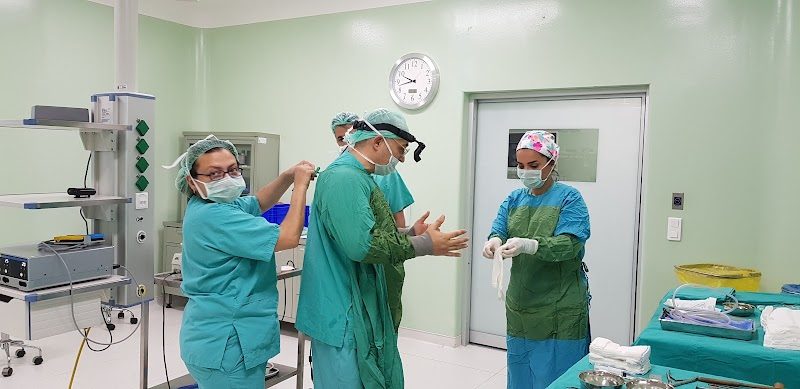
Dr. Cihan Uçar is a physician practising Plastic Surgery in Şişli, Istanbul.
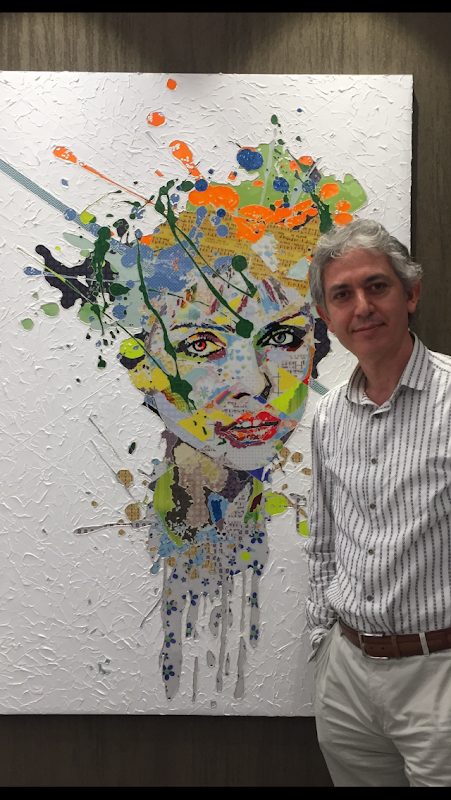
Dr. Cengiz Açıkel is a physician practising Plastic Surgery in Ataşehir, Istanbul.
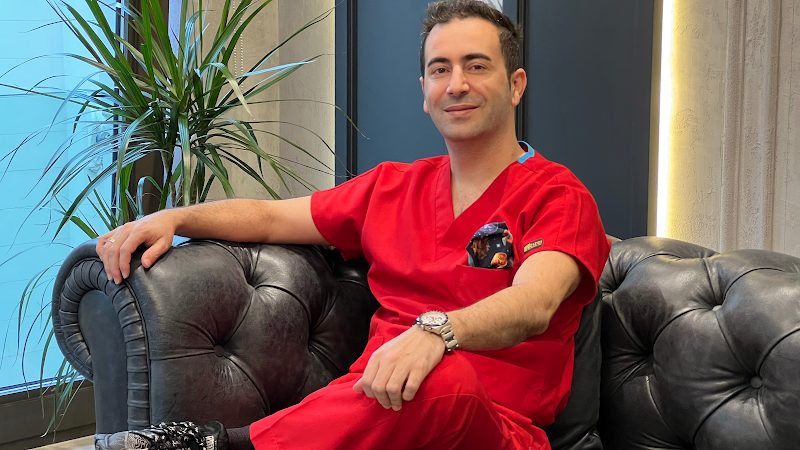
Dr. Yavuz Özsular is a physician practising Plastic Surgery in Şişli, Istanbul.
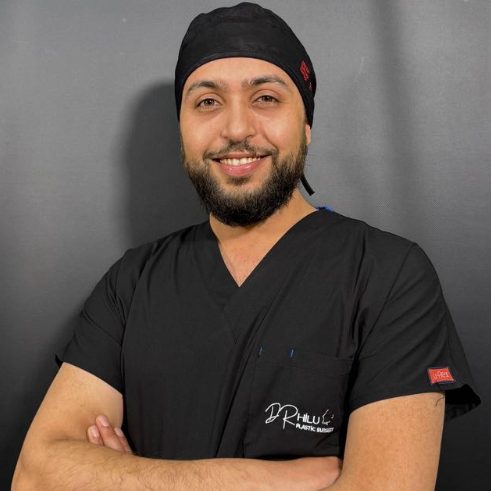
Dr. Muhammed Hilu is a physician practising Plastic Surgery in Şişli, Istanbul.

Dr. Emre Özenalp is a physician practising Plastic Surgery in Şişli, Istanbul.
Dr. Mustafa Öztürk is a physician practising Plastic Surgery in Beylikdüzü, Istanbul.
Dr. Osman Kelahmetoğlu is a physician practising Plastic Surgery in Şişli, Istanbul.
Dr. Çiğdem Ünal is a physician practising Plastic Surgery in Şişli, Istanbul.
Dr. Asude Köksal is a physician practising Plastic Surgery in Kadıköy, Istanbul.
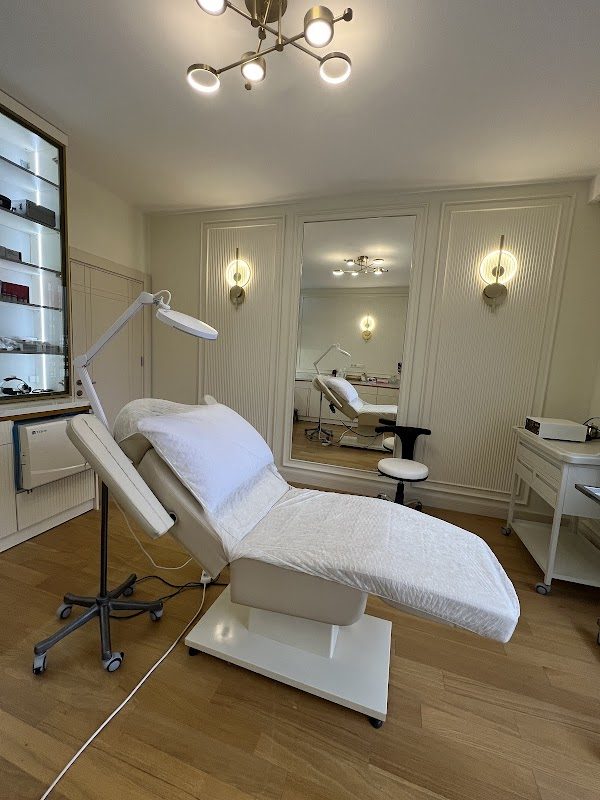
Dr. Melekber Çavuş is a physician practising Plastic Surgery in Kadıköy, Istanbul.
Dr. Uğur Horoz is a physician practising Plastic Surgery in Şişli, Istanbul.
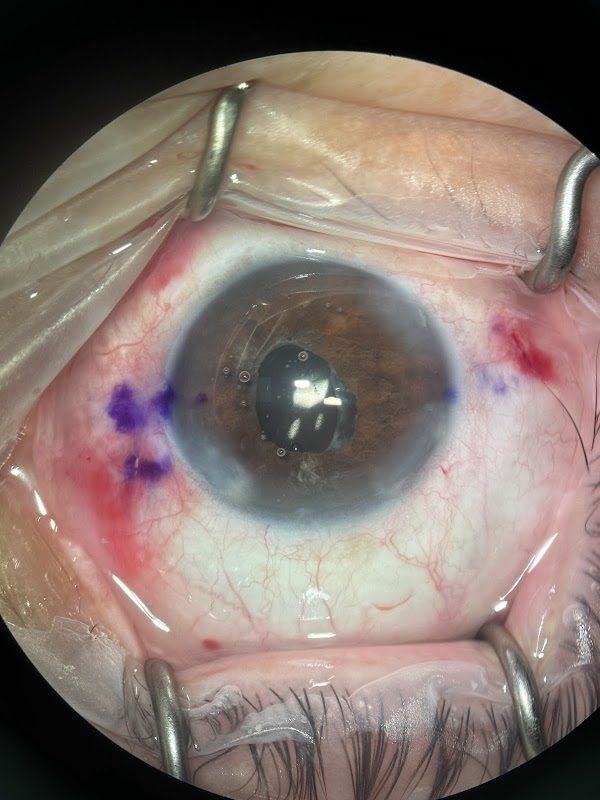
Dr. Ufuk Ürdem is a physician practising Eyelid & Eye Surgery in Istanbul.
Dr. Akın Yücel is a physician practising Face & Neck Aesthetics in Şişli, Istanbul.

Dr. Şükrü Yazar is a physician practising Breast Aesthetics in Şişli, Istanbul.
Dr. Ahmet Ayık is a physician practising Eyebrow Transplant in Sancaktepe, Istanbul.
Dr. İsmail Şener is a physician practising Plastic Surgery in Tuzla, Istanbul.
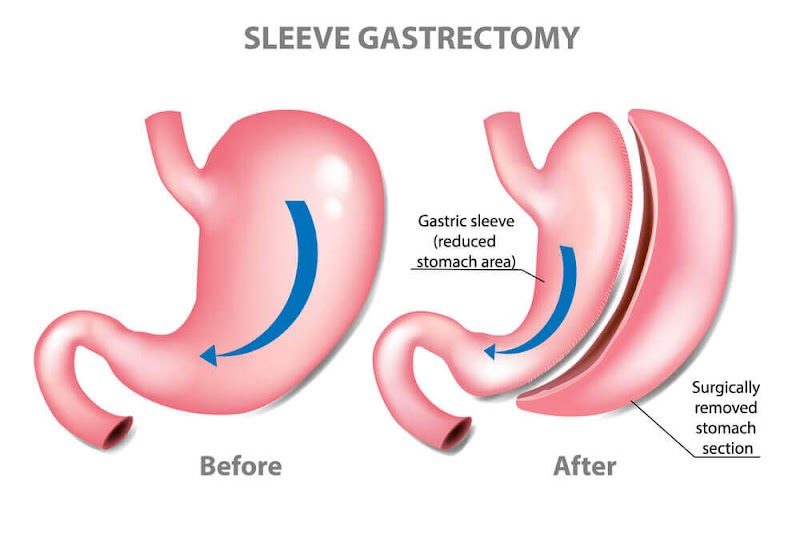
Dr. Fikret İrkin is a physician practising Plastic Surgery in Tuzla, Istanbul.

Dr. Şükrü İşler is a physician practising Plastic Surgery in Istanbul.
Dr. Anıl Kaya is a physician practising Eyelid & Eye Surgery in Kartal, Istanbul.
Plastic surgery, in its cosmetic sense, is a medical field that changes the shape or proportions of healthy tissue at the patient's request using surgical methods. It is part of the specialty of plastic, reconstructive and aesthetic surgery. Reconstructive surgery focuses on restoring function after birth differences, injuries or illness. The two often overlap, as when a crooked nose is corrected for both breathing and appearance.
Cosmetic surgery covers procedures that need an operation. Non-surgical treatments such as fillers, botulinum toxin and skin procedures are usually grouped under medical aesthetics. Which route suits you is decided by a doctor after an examination.
Plastic surgery covers a wide range, from the face to the genital area.
The areas of plastic surgery are separated by the part of the body treated, and each has its own techniques and specialties.
| Area | Common procedures | Specialties that perform them |
|---|---|---|
| Nose | Rhinoplasty, tip plasty, revision | Plastic surgery, ENT |
| Eyes | Upper and lower blepharoplasty, canthoplasty | Plastic surgery, ophthalmology (oculoplastics) |
| Face and neck | Facelift, neck lift, brow lift | Plastic surgery, ENT |
| Breasts | Augmentation, reduction, lift, gynecomastia | Plastic surgery |
| Body contouring | Liposuction, tummy tuck, buttock surgery | Plastic surgery |
| Ears | Otoplasty, earlobe repair | Plastic surgery, ENT |
| Chin | Chin implant, genioplasty | Plastic surgery, oral and maxillofacial surgery |
| Genital area | Labiaplasty, vaginoplasty, penile surgery | Plastic surgery, gynaecology, urology |
The process starts with a consultation and continues with follow-up visits after surgery. Steps vary by procedure, but the general flow is as follows.
Smokers are usually asked to stop several weeks before surgery, because nicotine reduces blood flow and can slow wound healing. Your surgeon decides whether blood thinners or some herbal supplements should be paused. Do not stop these medicines on your own.
Plastic surgery can be considered for adults whose general health allows an operation and whose expectations are realistic. The surgeon makes the final decision after an examination. The following are generally seen as positive signs:
Uncontrolled diabetes, serious heart or lung disease and bleeding disorders raise surgical risk. Cosmetic operations are usually postponed during pregnancy and breastfeeding. When worry about appearance strongly affects daily life, body dysmorphic disorder may be considered, and the surgeon may suggest a mental health assessment first. For structures that are still developing, such as the nose or breasts, growth should be complete.
Recovery ranges from a few days to several weeks, depending on the scope of the procedure. After smaller procedures such as ear or eyelid surgery, people usually return to daily tasks within one to two weeks. Larger operations such as a tummy tuck take longer, as do sessions that treat several areas at once. Swelling can take months to settle fully, and scars take months to mature.
Surgical changes are generally long-lasting. Ageing, weight change and pregnancy continue to change appearance over time. Medical devices such as breast implants are not considered lifetime products and may need to be replaced or removed later.
The risks fall into two groups: general risks of any operation and risks specific to each procedure. General risks include:
Long or combined operations, smoking and excess weight can increase some of these risks. Procedure-specific risks are covered on each service page, and your surgeon should explain them for your situation.
Plastic surgery costs cannot be given as a single figure, because the type and scope of the procedure drive the fee. Price ranges are shown in a separate section of this page. The main factors are:
Ask in writing what the quote includes.
The first thing to check is whether the doctor's specialty fits the procedure. Most cosmetic operations are performed by specialists in plastic, reconstructive and aesthetic surgery. ENT specialists also perform nose surgery, and oculoplastic eye doctors perform eyelid surgery. You can use these questions as a checklist:
A surgical plan based only on photos, without an examination, is a warning sign. So is pressure to decide quickly.
The information on this page is for general information only and is not medical advice. The suitable method for you can only be determined by a physician examination.