

I currently work at my own private practice in Nişantaşı, Istanbul.
Facial filler is a non-surgical treatment in which filler is injected into areas such as the chin, jawline, cheekbones, forehead or nose to restore volume and define contours. This page covers the treatment areas, steps, who it suits, how long it lasts, risks, cost factors and choosing a doctor.
duration30 min
recovery3 days
resultTemporary
price₺7.000–22.000
Ranked by plan, rating and patient reviews
I currently work at my own private practice in Nişantaşı, Istanbul.

Dr. Süleyman Özer is a physician practising Eyelid & Eye Surgery in Şişli, Istanbul.

Dr. Ümran Muslu is a physician practising Face & Neck Aesthetics in Üsküdar, Istanbul.

Dr. Ferhat Lotus is a physician practising Face & Neck Aesthetics in Şişli, Istanbul.

Dr. Deniz Şahin is a physician practising Facelift in Şişli, Istanbul.

Dr. Elif Keskin is a physician practising Facelift in Kadıköy, Istanbul.

Dr. Ümit Atasoy is a physician practising Facelift in Şişli, Istanbul.

Dr. Emre Üregen is a physician practising Breast Aesthetics in Sarıyer, Istanbul.

Dr. Nedim Yıldız is a physician practising Dermal Fillers in Şişli, Istanbul.

Dr. Erman Yılmaz is a physician practising Dermal Fillers in Beylikdüzü, Istanbul.

Dr. Mert Gençoğlu is a physician practising Dermal Fillers in Şişli, Istanbul.

Dr. Okan Aslanol is a physician practising Dermal Fillers in Şişli, Istanbul.

Dr. Fuat Yurtseven is a physician practising Dermal Fillers in Üsküdar, Istanbul.

Dr. Zafer Gökdemir is a physician practising Dermal Fillers in Şişli, Istanbul.

Dr. Baran Yavuz is a physician practising Dermal Fillers in Şişli, Istanbul.

Dr. Melis Altun is a physician practising Dermal Fillers in Şişli, Istanbul.
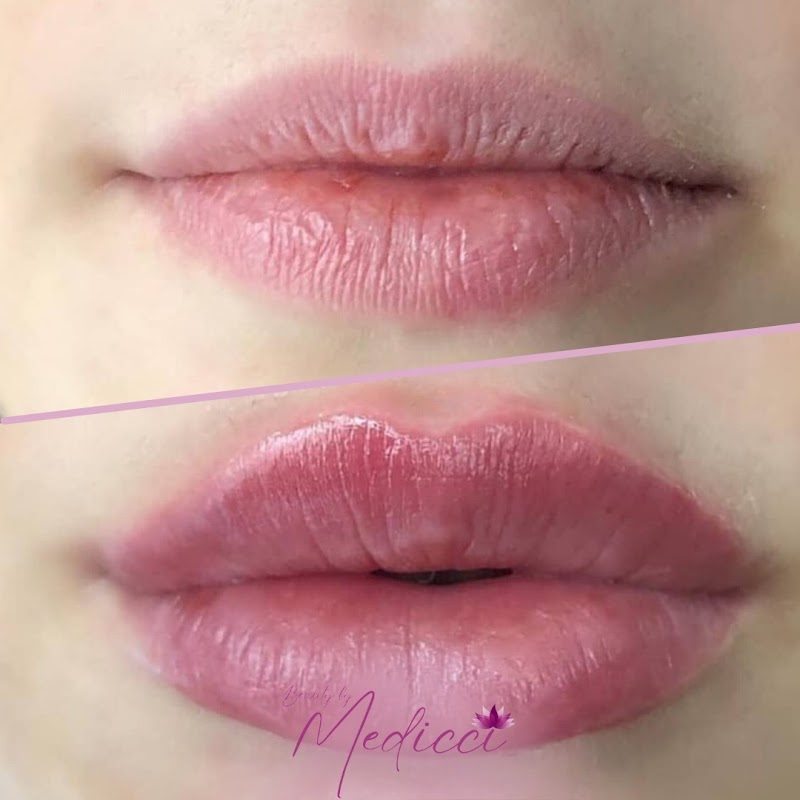
Dr. Rüya Türegün is a physician practising Lip Filler in Şişli, Istanbul.

Dr. Güngör Endolift is a physician practising Lip Filler in Şişli, Istanbul.

Dr. Emine Özdeş is a physician practising Facelift in Kartal, Istanbul.
Dr. Mustafa Erkek is a physician practising Facelift in Kartal, Istanbul.
Facial filler is the injection of a filler into specific areas of the face to replace lost volume or sharpen contours. With age, facial fat and bone support decrease. This shows as flatter cheekbones, a less defined jawline or deeper folds. Filler temporarily replaces this volume.
Facial filler is not only used for ageing. It can also bring a receding chin forward, balance facial proportions or reduce mild asymmetry. Hyaluronic acid is the most common product. In deep areas such as the chin and jawline, calcium hydroxylapatite may also be used. Hyaluronic acid can be dissolved with an enzyme called hyaluronidase; calcium hydroxylapatite cannot.
Facial filler is most often used in the chin, jawline, cheekbones, forehead and nose. Each area has its own goal, product density and level of risk.
| Area | Goal | How long it lasts (usually) | Point to keep in mind |
|---|---|---|---|
| Chin filler | Bring the chin forward or lengthen it, balance the profile | 12 to 18 months | Surgical options are considered for a clearly receding chin |
| Jawline filler | Define the line from below the ear to the chin | 12 to 18 months | Needs a firm product and often a larger amount |
| Cheekbone filler | Add cheekbone volume, support the midface | 12 to 18 months | Too much can make the face look heavy |
| Forehead filler | Give fullness to a flat or hollow forehead | Around 12 months | The forehead and the area between the brows are higher-risk zones for blood vessels |
| Nose filler | Soften the look of a hump, slightly support the tip | 9 to 12 months or longer | Does not make the nose smaller, high risk of blocked vessels |
Jawline and cheekbone filler are often planned together. The doctor assesses the face as a whole. Heavy filler in a single area often leads to an unbalanced look.
Nose filler is also called non-surgical rhinoplasty. Filler can only add volume; it cannot reduce or narrow the nose. Changing the nose structure permanently needs surgery.
Chin filler is used when the chin sits back or looks short. In mild cases it can make a visible difference. With a strongly receding chin the effect is limited, and the doctor will also discuss surgery. Forehead filler gives a rounded contour to a flat or sunken forehead. Vessels run close to the surface here, so injection depth matters.
Facial filler starts with a consultation and is completed in the same session. Treatment usually takes 20 to 60 minutes, depending on the number of areas.
Facial filler suits healthy adults with volume loss or poorly defined contours in specific areas and realistic expectations. In people with significant skin sagging, filler alone may not be enough, and the doctor may discuss lifting surgery. If you have had permanent filler before, the type of material matters when planning new treatment. Tell your doctor about it at the consultation.
Treatment is usually postponed or avoided in these situations:
The doctor decides suitability after an examination.
Facial filler usually lasts 9 to 18 months, depending on the product and the area. Filler tends to last longer in deep areas that move little, such as the chin, jawline and cheekbones. Calcium hydroxylapatite treatments also often last more than a year.
Mild swelling, bruising and tenderness are common after treatment. These usually ease within about three days, and almost always within a week. After chin and jawline treatment, chewing may feel tender for a short time. For the first day or two, avoid intense exercise, saunas and pressure on the face.
The risks of facial filler vary by area, and the most serious is a blocked blood vessel. Common side effects are redness, swelling, bruising and mild asymmetry. Less often, infection, allergic reaction, lumps you can feel, or filler moving out of place can occur.
Vessels in the nose, between the brows and in the forehead connect with those that supply the eye. If filler enters one of these vessels, skin tissue can be damaged. Very rarely, vision loss has been reported. Sudden severe pain, skin turning white or purple, and blurred vision are emergency signs. Contact a doctor without delay if they occur. Hyaluronic acid can be dissolved with hyaluronidase; calcium hydroxylapatite cannot.
The cost of facial filler depends on the number of areas and the amount of product used. Large areas such as the jawline need more product. Factors include:
You can see the current range in the price section of this page. The exact fee is confirmed after the consultation.
With facial filler, the doctor's knowledge of facial anatomy shapes both the result and your safety. In Turkey this treatment is mostly done by dermatologists, by plastic, reconstructive and aesthetic surgeons, or by doctors trained in medical aesthetics. When choosing, you can check:
The information on this page is for general information only and is not medical advice. The suitable method for you can only be determined by a physician examination.
₺7.000 – ₺22.000
Türkiye national average. City-by-city price table:
City-by-city price table →