

I currently work at my own private practice in Nişantaşı, Istanbul.
Rhinoplasty is an operation that reshapes the bone and cartilage framework of the nose to change its shape, size or function. This page explains how the surgery is done, who it suits, recovery, risks, what affects the cost, how tip and revision surgery differ, and how to choose a surgeon.
duration150 min
recovery14 days
resultPermanent
price₺60.000–180.000
Ranked by plan, rating and patient reviews
I currently work at my own private practice in Nişantaşı, Istanbul.
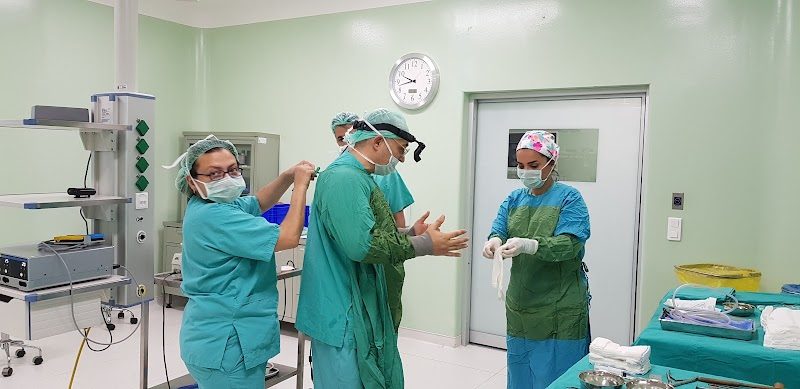
Dr. Cihan Uçar is a physician practising Plastic Surgery in Şişli, Istanbul.
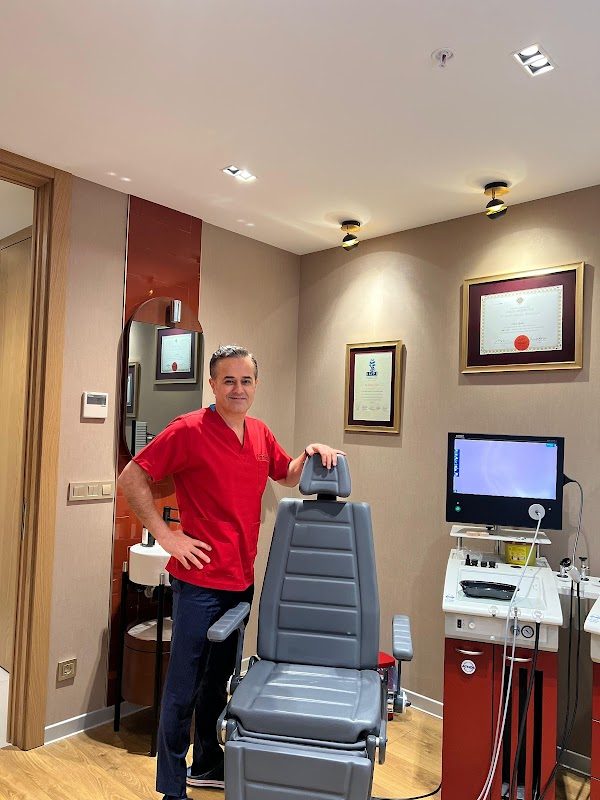
Dr. Ethem Şahin is a physician practising Rhinoplasty in Kadıköy, Istanbul.

Dr. Oğuzhan Demirel is a physician practising Rhinoplasty in Şişli, Istanbul.
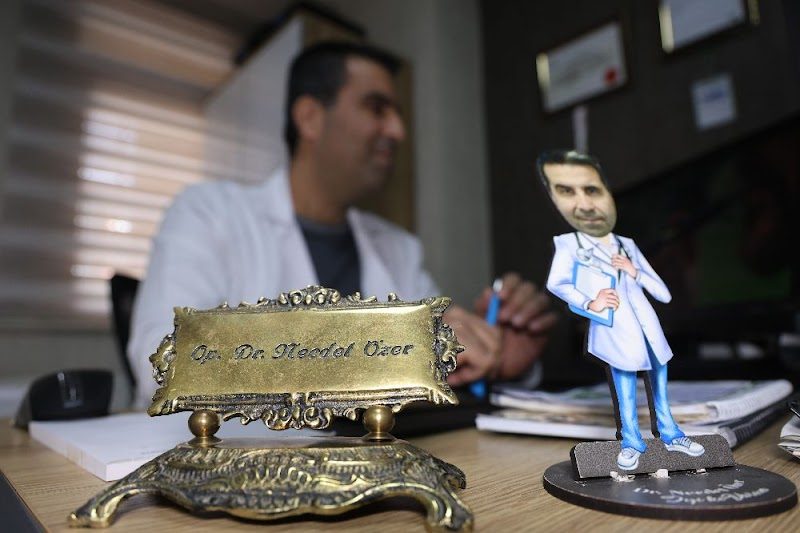
Dr. Necdet Özer is a physician practising Rhinoplasty in Bursa.
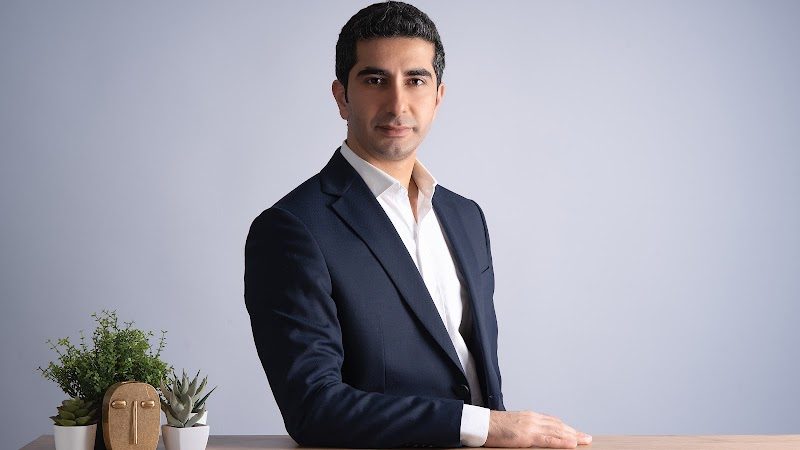
Dr. Atahan Ağrılı is a physician practising Rhinoplasty in Kadıköy, Istanbul.

Dr. Metin Kerem is a physician practising Rhinoplasty in Beşiktaş, Istanbul.
Dr. Alev Revizyon is a physician practising Rhinoplasty in Şişli, Istanbul.

Dr. Burak Erdur is a physician practising Rhinoplasty in Şişli, Istanbul.
Dr. Niyazi Altıntoprak is a physician practising Rhinoplasty in Ataşehir, Istanbul.
Dr. Kemal Delioğlu is a physician practising Rhinoplasty in Beşiktaş, Istanbul.
Dr. Betül Kulaksız is a physician practising Rhinoplasty in Trabzon.

Dr. İsmail Küçüker is a physician practising Rhinoplasty in Kadıköy, Istanbul.

Dr. Murat Sarı is a physician practising Rhinoplasty in Kadıköy, Istanbul.

Dr. Abdülkadir Göksel is a physician practising Rhinoplasty in Kadıköy, Istanbul.

Dr. Erdal Ent is a physician practising Rhinoplasty in Üsküdar, Istanbul.
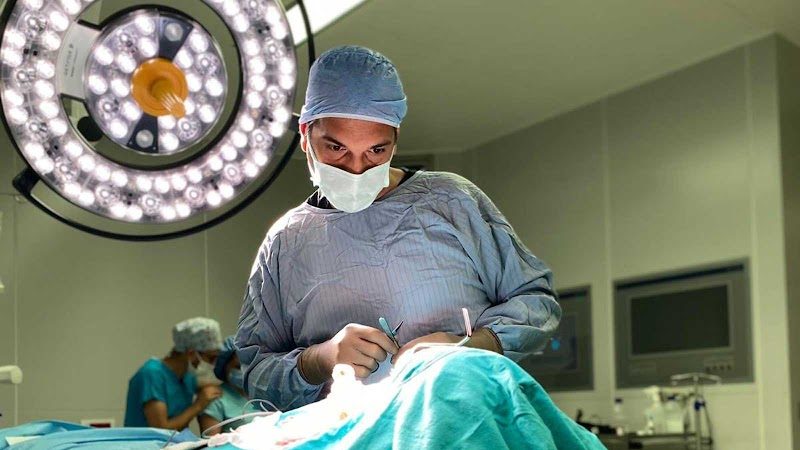
Dr. Gediz Serin is a physician practising Rhinoplasty in Şişli, Istanbul.

Dr. Süleyman Özer is a physician practising Eyelid & Eye Surgery in Şişli, Istanbul.

Dr. Nuran Kalekoğlu is a physician practising Eyelid & Eye Surgery in Bahçelievler, Istanbul.
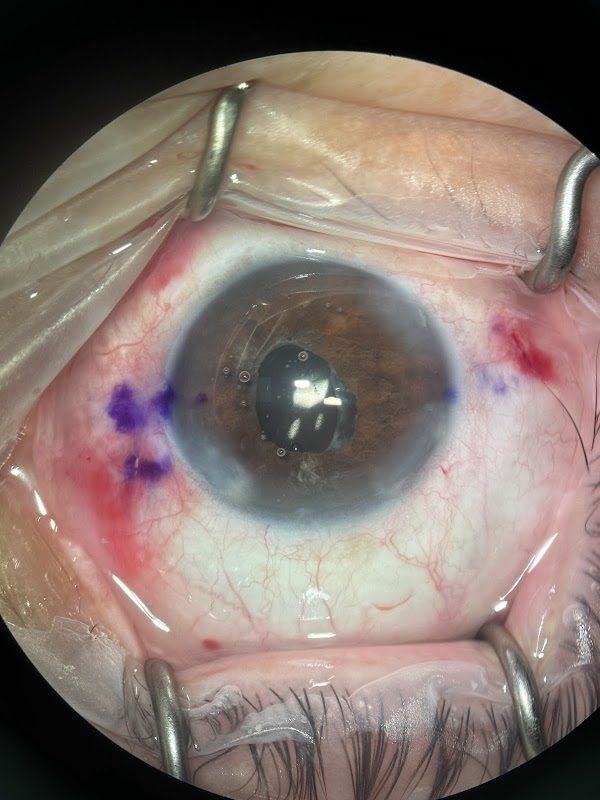
Dr. Ufuk Ürdem is a physician practising Eyelid & Eye Surgery in Istanbul.
Rhinoplasty, often called a nose job, is an operation that changes the shape or size of the nose. It can address a dorsal hump, a wide or drooping tip, a crooked nose and wide nostrils. The operation is not only about appearance. If a deviated septum makes breathing difficult, a septoplasty can be done at the same time. The combined operation is called septorhinoplasty.
Rhinoplasty changes a structure in the centre of the face, so it affects overall facial balance. A surgeon looks at the nose together with the forehead, lips and chin rather than on its own. In people with a recessed chin, chin surgery is sometimes discussed alongside the nose.
Rhinoplasty is performed by reshaping the bone and cartilage framework under the skin through small incisions. There are two main approaches. In open rhinoplasty, a small incision is made across the columella, the strip of skin between the nostrils, so the surgeon can see the structures directly. In closed rhinoplasty, all incisions are inside the nose. Some surgeons use ultrasonic (piezo) instruments or preservation techniques that keep the natural bridge. The technique depends on the anatomy of your nose and the surgeon's experience.
Surgery usually takes about one and a half to three hours. Revision cases and those needing grafts can take longer.
Preparation starts with the tests your surgeon asks for. Blood thinners, some painkillers and herbal supplements can increase bleeding. Tell your surgeon if you take them and do not stop them on your own. Smokers are usually advised to stop several weeks before surgery.
Rhinoplasty is considered for people whose nose has finished growing, who are in good general health and who have realistic expectations. Nasal growth usually ends in the late teens, slightly later in boys. The surgeon decides on suitability after an examination. The following situations need extra assessment:
In people with thick nasal skin, fine detail at the tip may be less visible.
The first stage of recovery usually takes one to two weeks, while the final shape can take up to a year to settle. The external splint usually comes off after about a week. Bruising and swelling around the eyes are most noticeable in the first days and generally fade within two weeks. Most people can return to desk work after this period.
Swelling at the tip goes down more slowly, and in thick skin it can take more than a year. Sleeping with the head raised and not blowing the nose are advised in the first weeks. Resting glasses on the nose, heavy exercise and contact sports are usually postponed for several weeks.
Changes made to bone and cartilage are permanent. The nose still changes with age, and an injury can alter the result.
The main risks of rhinoplasty are bleeding, infection, breathing difficulty and a shape that does not meet expectations. Risks vary with the person and the technique, and your surgeon should explain them in detail.
Long-lasting swelling is not a complication but a normal part of healing. Contact your surgeon at once if you have sudden worsening pain, fever or bleeding that will not stop. Any correction usually waits until healing is complete.
The cost of rhinoplasty depends on the scope and technical difficulty of the operation. Price ranges are shown in a separate section of this page. The main factors are:
Ask for a written quote that lists what is included. The final fee is set after an in-person consultation.
When choosing a surgeon, start with their specialty. In Turkey, rhinoplasty is performed by specialists in plastic, reconstructive and aesthetic surgery and by ear, nose and throat (ENT) specialists. Useful questions at the consultation include:
You can compare rhinoplasty surgeons by city in the doctor listings on this page.
Nasal tip plasty works only on the lower part of the nose, while revision rhinoplasty corrects a nose that has already been operated on. Tip plasty reshapes the cartilage at the tip without touching the bone. Revision surgery aims to fix problems left by a previous operation. The tissues need time to heal first, so a revision is usually planned at least a year after the earlier surgery.
| Feature | Rhinoplasty | Nasal tip plasty | Revision rhinoplasty |
|---|---|---|---|
| Area treated | Bridge, bony framework and tip | Tip only | Areas affected by the earlier surgery |
| Bone work | Usually needed | Usually not needed | Depends on the case |
| Grafts | Depends on the case | Depends on the case | Often needed |
| Technical difficulty | Moderate | More limited | High, because of scar tissue |
The information on this page is for general information only and is not medical advice. The suitable method for you can only be determined by a physician examination.
₺60.000 – ₺180.000
Türkiye national average. City-by-city price table:
City-by-city price table →