

I currently work at my own private practice in Nişantaşı, Istanbul.
Ear surgery (otoplasty) is a procedure that corrects the shape or position of the outer ear, most often prominent ears. This page explains how the operation is done, the age it can be performed, recovery, possible risks, cost factors, options such as earlobe repair and how to choose a surgeon.
duration90 min
recovery7 days
resultPermanent
price₺30.000–75.000
Ranked by plan, rating and patient reviews
I currently work at my own private practice in Nişantaşı, Istanbul.

Dr. Ethem Şahin is a physician practising Rhinoplasty in Kadıköy, Istanbul.

Dr. Atahan Ağrılı is a physician practising Rhinoplasty in Kadıköy, Istanbul.

Dr. Alev Revizyon is a physician practising Rhinoplasty in Şişli, Istanbul.

Dr. Burak Erdur is a physician practising Rhinoplasty in Şişli, Istanbul.

Dr. Niyazi Altıntoprak is a physician practising Rhinoplasty in Ataşehir, Istanbul.

Dr. Kemal Delioğlu is a physician practising Rhinoplasty in Beşiktaş, Istanbul.

Dr. Erdal Ent is a physician practising Rhinoplasty in Üsküdar, Istanbul.

Dr. Gediz Serin is a physician practising Rhinoplasty in Şişli, Istanbul.

Dr. Nuran Kalekoğlu is a physician practising Eyelid & Eye Surgery in Bahçelievler, Istanbul.
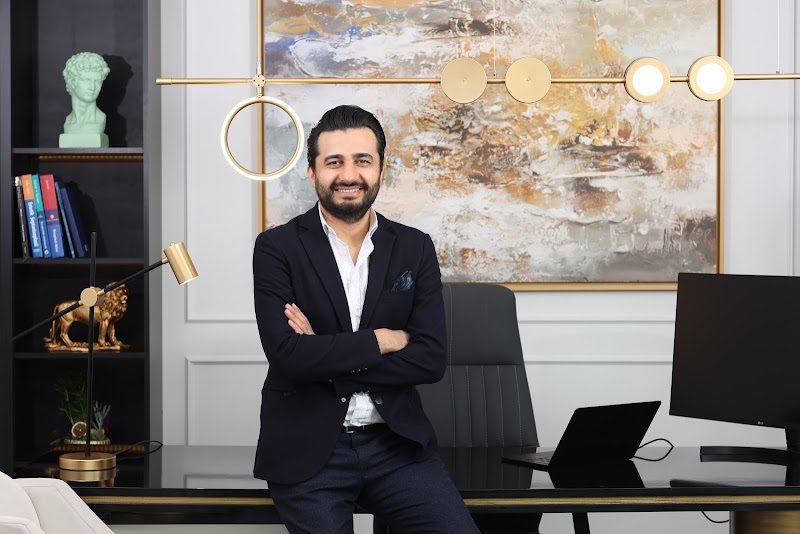
Dr. Emrah Tekdemir is a physician practising Ear Surgery in Istanbul.

Dr. Necdet Özer is a physician practising Rhinoplasty in Bursa.

Dr. Oğuz Basut is a physician practising Ear Surgery in Bursa.

Dr. Ufuk Ürdem is a physician practising Eyelid & Eye Surgery in Istanbul.

Dr. Erdem Güven is a physician practising Face & Neck Aesthetics in Beşiktaş, Istanbul.

Dr. Ümran Muslu is a physician practising Face & Neck Aesthetics in Üsküdar, Istanbul.

Dr. Emre Üregen is a physician practising Breast Aesthetics in Sarıyer, Istanbul.

Dr. Bülent Kepçe is a physician practising Ear Surgery in Kadıköy, Istanbul.

Dr. Betül Kulaksız is a physician practising Rhinoplasty in Trabzon.

Dr. Ender İnci is a physician practising Ear Surgery in Şişli, Istanbul.
Ear surgery, medically called otoplasty, reshapes the cartilage of the outer ear to correct its position against the head or its shape. The most common reason is prominent ears. A prominent ear usually comes from an underdeveloped natural fold in the ear (the antihelix) or a deep ear bowl (the concha). As a result the ear stands out clearly from the side of the head.
Otoplasty involves only the outer ear and does not touch the middle or inner ear, so it is not expected to affect hearing. Besides prominent ears, large ears, a folded upper rim and torn or stretched earlobes are also treated within ear surgery. Prominent ears are not a health problem; surgery is a personal or family choice, and a child's own view should be taken seriously.
Ear surgery is performed through an incision behind the ear, which gives access to the cartilage to create the missing fold or reduce the ear bowl. The surgeon can fold the cartilage with permanent stitches, thin it or remove part of it. The technique depends on how stiff the cartilage is and what causes the prominence.
The operation usually takes one to two hours. Both ears are usually treated in the same session, but surgery can be done on one side only if just one ear is affected.
Tell your surgeon about all the medicines you take, since blood thinners and some painkillers can increase bleeding. The surgeon decides whether any should be stopped. A button-up or zip-up top on the day of surgery makes dressing easier with bandaged ears.
Ear surgery is considered for children whose ear growth is largely complete and for adults. The ear reaches most of its adult size around the age of five or six, so surgery for prominent ears can be done before or in the first years of school. In the first weeks after birth, ear cartilage is still soft, and non-surgical moulding with special splints may be tried. The surgeon decides on suitability after an examination. These situations need extra assessment:
For children, the decision should take the child's own wishes into account. Parental consent is required for patients under 18.
Most people return to school or work within about a week. The dressing usually stays on for the first few days. After that, an elastic headband is worn for several weeks, mainly at night, to stop the ear from folding during sleep.
Pain, swelling and tenderness are common in the first days. Reduced sensation around the ear can last a few weeks. Contact sports and activities that risk a blow to the ear are usually postponed for several weeks. The scar sits in the natural crease behind the ear, so it is usually not visible.
The new shape given to the cartilage is usually permanent. In some people the cartilage tends to spring back, and the ear may partly stand out again over time, which may need a revision. Wearing the headband for the advised period and protecting the ear from knocks early on help keep the result.
The risks include blood collection, infection, asymmetry and the ear standing out again. They can be listed as follows:
If pain in one ear keeps increasing, there is bleeding under the dressing or you develop a fever after surgery, contact your surgeon straight away.
Types of ear surgery differ according to which part of the ear needs correcting. Prominent ears are treated with otoplasty, while a torn earring hole or a stretched earlobe may need only a smaller procedure, usually under local anaesthesia.
| Procedure | Target | Common technique | Anaesthesia |
|---|---|---|---|
| Otoplasty | Prominent ears | Folding or reshaping the cartilage with stitches | General in children, often local in adults |
| Ear reduction | Large ear | Removing skin and cartilage from the ear rim | Local or general |
| Earlobe repair | Torn earring hole, large or stretched earlobe | Trimming and stitching the edges, reduction | Usually local |
| Newborn moulding | Congenital ear shape differences | Non-surgical shaping with splints | Not needed |
The cost depends on whether one or both ears are treated and on the type of anaesthesia. Price ranges are shown in a separate section of this page. The main factors are:
The exact fee is set after an examination and a written treatment plan.
Look for a surgeon from a specialty experienced in ear surgery. In Turkey, otoplasty is performed by specialists in plastic, reconstructive and aesthetic surgery and by ENT specialists. For children, an anaesthesiologist experienced in paediatric anaesthesia should be part of the team. You can ask:
You can compare surgeons who perform ear surgery on DoktorNo by city.
The information on this page is for general information only and is not medical advice. The suitable method for you can only be determined by a physician examination.
₺30.000 – ₺75.000
Türkiye national average. City-by-city price table:
City-by-city price table →