

Dr. Melih Özgen is a physician practising Dental Aesthetics in Şişli, Istanbul.
A zirconium crown is a dental crown or bridge made from zirconium dioxide, a strong, metal-free ceramic that can also be used on back teeth. This page covers its properties, how it is made, who it suits, how long it lasts, possible risks, cost factors and how the types of zirconia compare.
duration180 min
recovery5 days
resultPermanent
price₺35.000–120.000
Ranked by plan, rating and patient reviews
Dr. Melih Özgen is a physician practising Dental Aesthetics in Şişli, Istanbul.

Dt. Pınar Kutay is a physician practising Smile Design in Şişli, Istanbul.

Dt. Çağdaş Kışlaoğlu is a physician practising Bunny Teeth Aesthetics in Beşiktaş, Istanbul.

Dt. Fikret Altan is a physician practising Zirconium Crowns in Sarıyer, Istanbul.

Dt. Lizge Özdemir is a physician practising Dental Aesthetics in Arnavutköy, Istanbul.
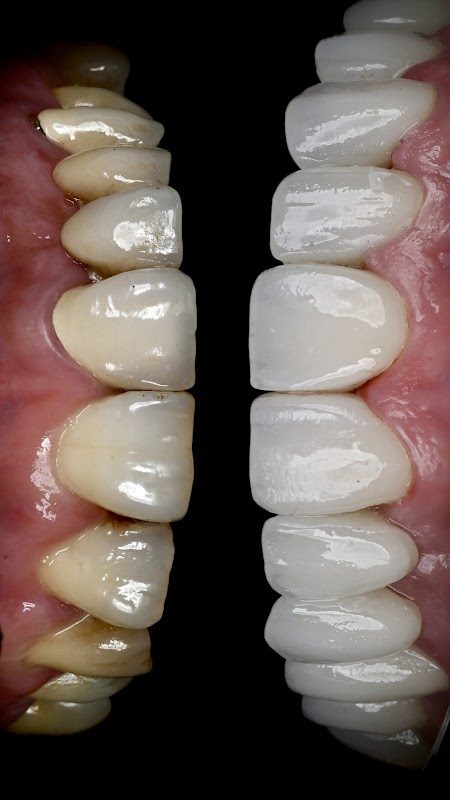
Dt. Gizem Kalyaz is a physician practising Zirconium Crowns in Antalya.

Dt. Alperen Özcan is a physician practising Zirconium Crowns in Ankara.

Dt. Elif Arslan is a physician practising Gum Aesthetics in Ataşehir, Istanbul.

Dt. Tayfun Çelik is a physician practising Bunny Teeth Aesthetics in Ataşehir, Istanbul.

Dt. Deniz Akın is a physician practising Dental Aesthetics in Avcılar, Istanbul.

Dt. Seval Bayrakli is a physician practising Dental Aesthetics in Bahçelievler, Istanbul.
Dt. Aslı Çoban is a physician practising Smile Design in Bakırköy, Istanbul.
Dt. Mazhar Yargıcı is a physician practising Dental Veneers in Bakırköy, Istanbul.

Dt. Ömer Çavuşoğlu is a physician practising Gum Aesthetics in Beşiktaş, Istanbul.

Dt. Burcu Gürakar is a physician practising Dental Aesthetics in Beykoz, Istanbul.

Dt. Yahya Terlemez is a physician practising Dental Aesthetics in Beyoğlu, Istanbul.

Dt. Seyfettin Yılmaz is a physician practising Zirconium Crowns in Beyoğlu, Istanbul.

Dt. Murat Öğretici is a physician practising Dental Aesthetics in Çekmeköy, Istanbul.

Dt. Sertan Yilmaz is a physician practising Dental Aesthetics in Çekmeköy, Istanbul.

Dt. Rahman Yenituran is a physician practising Dental Aesthetics in Esenler, Istanbul.
A zirconium crown is a crown or bridge made from zirconium dioxide (zirconia) ceramic. Dental zirconia is stabilised with additives such as yttrium to make it stronger. It is one of several options for crowning a tooth, alongside porcelain fused to metal and glass ceramics.
The main features of zirconia are:
Zirconium crowns are made from a digital or conventional impression using computer-aided design and manufacturing (CAD/CAM). The process usually follows these steps:
The process is usually completed in one to two weeks over several visits. Clinics with in-house milling may finish sooner.
Zirconium crowns suit people who need a crown and prefer a strong, metal-free material. The dentist decides on suitability after an examination. Zirconia is often chosen for:
In some cases zirconia is not the first choice. For healthy front teeth that are only discoloured or misshapen, options needing less reduction, such as veneers, are considered first. Very thin veneers are usually made from glass ceramics. Heavy teeth grinding raises the risk of porcelain chipping on layered zirconia. Gum disease or decay is treated first.
No, these are different things. A zirconia crown on an implant is the tooth fitted on top of an implant placed in the jawbone, usually connected through an abutment made of titanium, zirconia or both. A zirconia implant means the screw placed in the bone is itself made of zirconia. These are a newer option than titanium implants, and their range of use and long-term data are not as broad. The dentist chooses the implant material based on bone structure and the case.
Treatment is usually completed in one to two weeks. It takes longer if root canal or gum treatment is needed first.
Sensitivity to hot and cold may last a few days after the tooth is shaped. Most people get used to the new crowns within a few days. If the bite feels high, the dentist should adjust it.
Zirconia is durable, but it should not be expected to last a lifetime without problems. Its lifespan depends on oral hygiene, grinding habits and regular check-ups. The natural tooth underneath can still decay and the gum can recede, and in these cases the crown may need replacing.
Caring for zirconium crowns is no different from caring for natural teeth. Brush twice a day and clean between the teeth. Clean under bridges with special floss or interdental brushes. If you grind your teeth, your dentist may suggest a night guard.
Like other crowns, zirconium crowns require the tooth to be shaped and carry some risks. Possible problems include:
Zirconia is very hard, so it is difficult to adjust in the mouth or remove when needed. Removal often means cutting the crown off. Tooth structure that has been removed does not grow back.
Types of zirconia differ in the balance between strength and translucency. In general, as translucency increases, strength decreases somewhat.
| Type | Structure | Strength | Limitation |
|---|---|---|---|
| Monolithic zirconia | A single piece of zirconia | High strength, no porcelain to chip | Can look more opaque in some types |
| Layered zirconia | Zirconia core with porcelain on top | Natural colour transitions | The porcelain layer can chip |
| High-translucency zirconia | Single-piece zirconia that lets more light through | More natural look on front teeth | Lower strength than classic types |
| Multilayer zirconia | Colour and translucency graded within the block | Shade transition similar to natural teeth | Strength varies by product |
The type is chosen by weighing the position of the tooth, the bite and cosmetic expectations together.
The cost depends on the number of teeth crowned and the type of zirconia used. The price range on this page gives only a general idea. The main factors are:
Experience in prosthetic treatment and digital production matters. Zirconium crowns are fitted by dentists, and prosthodontists handle complex cases. When choosing, you can check:
You can compare dentists by city in the doctor listings on this page.
The information on this page is for general information only and is not medical advice. The suitable method for you can only be determined by a physician examination.
₺35.000 – ₺120.000
Türkiye national average. City-by-city price table:
City-by-city price table →