

Dr. Mert Akbaş is a physician practising Dental Aesthetics in Fatih, Istanbul.
A dental implant is an artificial tooth root, usually made of titanium, that is placed in the jawbone to replace a missing tooth and carry a crown. This page explains how implants are placed, why bone volume matters, healing time, risk factors, cost factors and how implants compare with bridges and dentures.
duration90 min
recovery90 days
resultPermanent
price₺15.000–45.000
Ranked by plan, rating and patient reviews
Dr. Mert Akbaş is a physician practising Dental Aesthetics in Fatih, Istanbul.

Dr. Abdulkadir Narin is a physician practising Dental Aesthetics in Şişli, Istanbul.

Dr. Melih Özgen is a physician practising Dental Aesthetics in Şişli, Istanbul.

Dt. Pınar Kutay is a physician practising Smile Design in Şişli, Istanbul.

Dt. Fikret Altan is a physician practising Zirconium Crowns in Sarıyer, Istanbul.
Dt. Tolga Gülçiçek is a physician practising Dental Implant in Ataşehir, Istanbul.

Dt. Ece Kara is a physician practising Dental Aesthetics in Pendik, Istanbul.

Dt. Tayfun Çelik is a physician practising Bunny Teeth Aesthetics in Ataşehir, Istanbul.
Dt. Necmettin Çınar is a physician practising Dental Implant in Gaziosmanpaşa, Istanbul.

Dt. Melek Usta is a physician practising Dental Aesthetics in Kartal, Istanbul.

Dt. Burak Ağar is a physician practising Smile Design in Bursa.
Dt. Gülin Sarı is a physician practising Gum Aesthetics in Bursa.
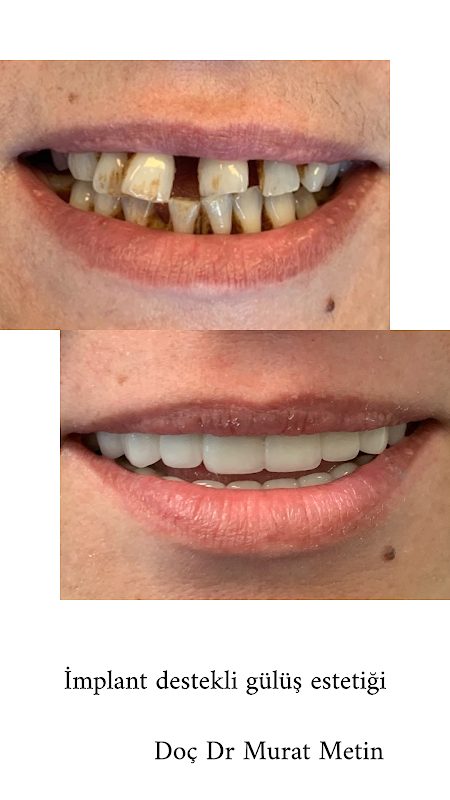
Dr. Murat Metin is a physician practising Gum Aesthetics in Bursa.
Dt. Taner Köroğlu is a physician practising Bunny Teeth Aesthetics in Bursa.

Dt. Baran Reşitoğlu is a physician practising Zirconium Crowns in Esenyurt, Istanbul.

Dt. Elif Çınar is a physician practising Dental Implant in Çekmeköy, Istanbul.
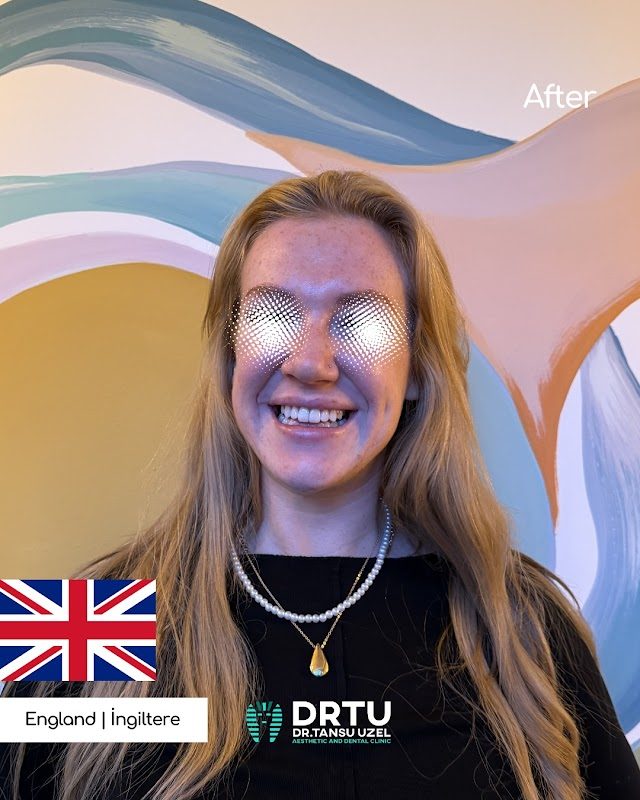
Dr. Tansu Uzel is a physician practising Dental Implant in Beyoğlu, Istanbul.

Dt. Ayşegül Akaydın is a physician practising Dental Aesthetics in Çekmeköy, Istanbul.
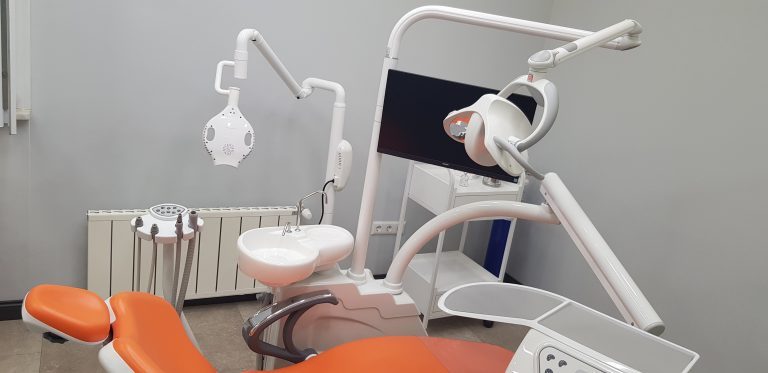
Dt. Selin Adıgüzel is a physician practising Dental Implant in Sarıyer, Istanbul.
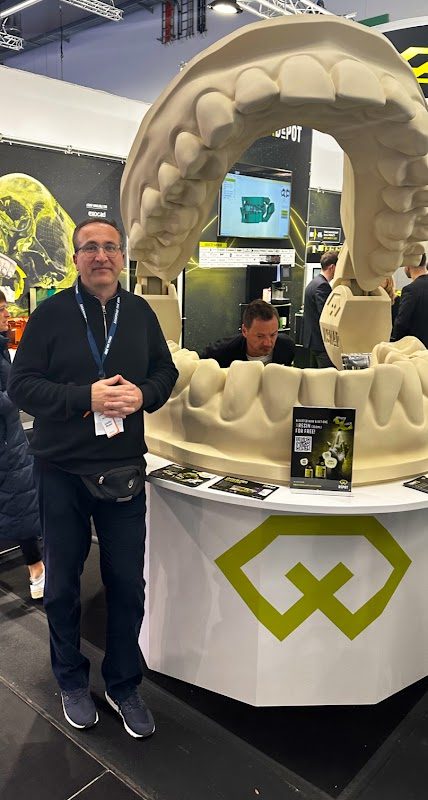
Dt. Sertaç Kızılkaya is a physician practising Dental Aesthetics in Küçükçekmece, Istanbul.
A dental implant is a screw-shaped artificial root placed in the jawbone in place of a lost tooth's root. It is usually made of titanium or a titanium alloy. Zirconia implants are used less often.
Implant treatment has three main parts:
The materials used for the restoration are similar to those used for ordinary crowns, and zirconia is a common choice. Because it restores a missing tooth, implant treatment also falls within dental aesthetics.
Osseointegration is the direct bonding of the implant surface to the surrounding bone. The implant can carry chewing forces only once this bond has formed. It usually takes 2 to 6 months. The lower jaw has denser bone, so healing there is often faster than in the upper jaw. Bone grafting or a sinus lift can extend the waiting time. In selected cases with good bone, a temporary tooth can be fitted soon after placement, depending on how stable the implant is at the start.
Bone volume means having enough bone height and width for the implant to sit firmly. After a tooth is lost, the jawbone gradually shrinks, so areas that have been without teeth for a long time may lack bone. Bone is usually measured with cone beam computed tomography (CBCT), which also shows the position of nerves and the sinus. If bone is lacking, these options may be considered:
Implant treatment has planning, surgical placement, healing and restoration stages. The process usually follows these steps:
Implants suit people whose jaw growth is complete, whose general health allows minor surgery and who have enough bone or can gain it with grafting. The dentist decides on suitability after an examination and imaging.
Some factors can reduce the success of an implant:
These factors do not always rule out an implant. Tell your dentist about every medicine you take.
The whole treatment usually takes 3 to 6 months, and longer if grafting is needed. Pain, swelling and mild bruising are common in the first days after surgery and usually ease within a few days to a week. Most people return to daily activities within a day or two. Soft foods are advised at first.
A well-integrated implant can last many years with good care. Implants do not decay, but the gum and bone around them can become diseased. The crown on top may need replacing over time. Regular check-ups are the basis of long-term success.
An implant is a surgical procedure and carries some risks. Possible complications include:
Numbness from nerve injury is often temporary but can be permanent in some cases. Planning with CT helps reduce these risks. An implant that fails to fuse can often be placed again after the area heals.
Implants, bridges and removable dentures are the three main ways to replace missing teeth. The table gives a general comparison.
| Feature | Implant | Bridge | Removable denture |
|---|---|---|---|
| Support | Jawbone | Neighbouring teeth | Gums and remaining teeth |
| Effect on neighbouring teeth | Not reduced | Reduced to hold the bridge | Clasps can load the teeth |
| Surgery | Needed | Not needed | Not needed |
| Treatment time | Usually a few months | Usually a few weeks | Usually a few weeks |
| Effect on bone loss | Can slow bone loss by loading the bone | Bone under the gap keeps shrinking | Bone loss continues |
The cost depends on the number of implants, the bone situation and the type of restoration. Other factors include the implant brand and system, the need for grafting or a sinus lift, CT scans and surgical guides, the restoration material, the city and the dentist's experience. The price range on this page gives only a general idea; the exact fee comes from the treatment plan.
Implants are placed by dentists trained in implant surgery, and oral and maxillofacial surgeons and periodontists also work in this field. Prosthodontists may handle the restoration stage. When choosing, you can check:
You can compare dentists listed on DoktorNo by city.
The information on this page is for general information only and is not medical advice. The suitable method for you can only be determined by a physician examination.
₺15.000 – ₺45.000
Türkiye national average. City-by-city price table:
City-by-city price table →