

Dr. Melih Özgen is a physician practising Dental Aesthetics in Şişli, Istanbul.
Smile design is a dental approach that looks at how the teeth, gums and lips appear together when you smile and combines several treatments into one plan. This page covers the stages of smile design, who it suits, timing, possible risks, cost factors and a comparison of the treatments used.
duration240 min
recovery7 days
resultPermanent
price₺45.000–150.000
Ranked by plan, rating and patient reviews
Dr. Melih Özgen is a physician practising Dental Aesthetics in Şişli, Istanbul.

Dt. Pınar Kutay is a physician practising Smile Design in Şişli, Istanbul.

Dt. Fikret Altan is a physician practising Zirconium Crowns in Sarıyer, Istanbul.

Dr. İlsun Aka is a physician practising Rhinoplasty in Istanbul.

Dt. Deniz Derbeder is a physician practising Smile Design in Bursa.

Dt. Yakup Tuna is a physician practising Smile Design in Ataşehir, Istanbul.
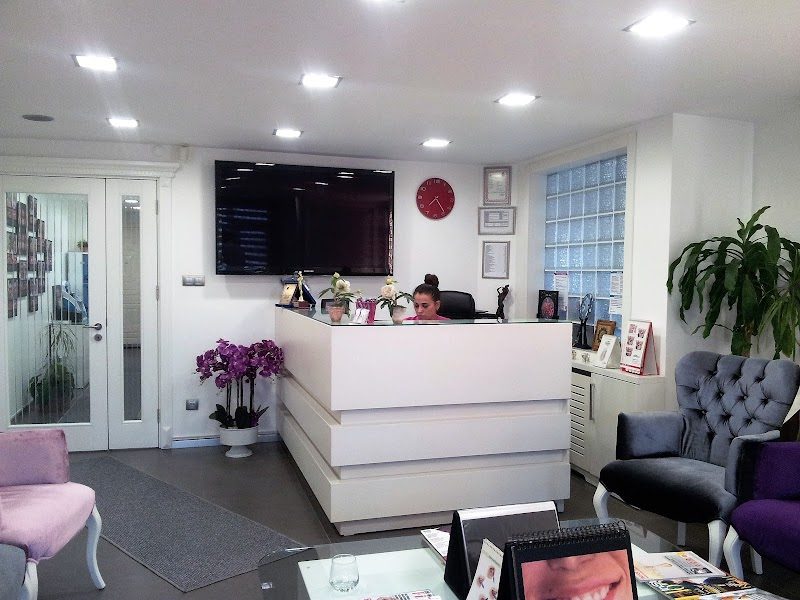
Dt. Aslı Çoban is a physician practising Smile Design in Bakırköy, Istanbul.
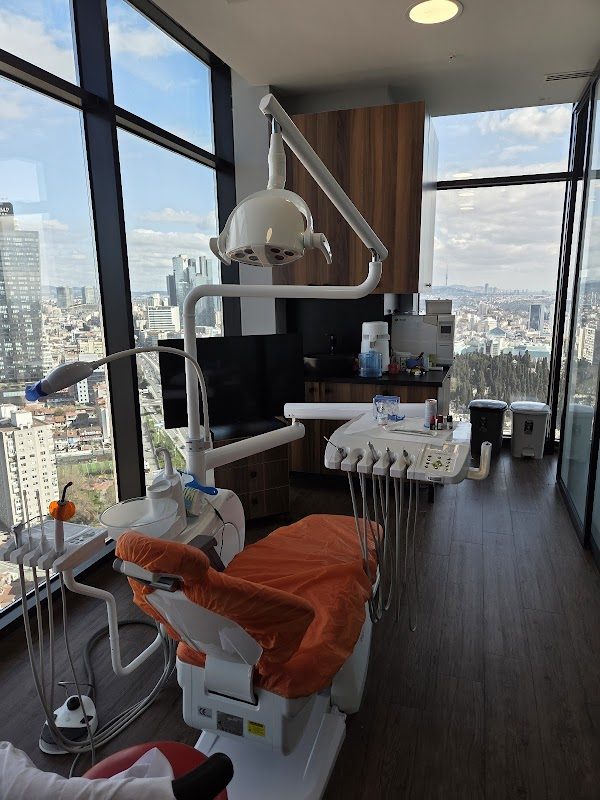
Dt. Doruk Ergin is a physician practising Smile Design in Şişli, Istanbul.

Dt. Yiğit Taşlı is a physician practising Smile Design in Esenyurt, Istanbul.

Dt. Melek Usta is a physician practising Dental Aesthetics in Kartal, Istanbul.

Dt. Burak Irkörücü is a physician practising Dental Aesthetics in Bursa.

Dt. Burak Ağar is a physician practising Smile Design in Bursa.
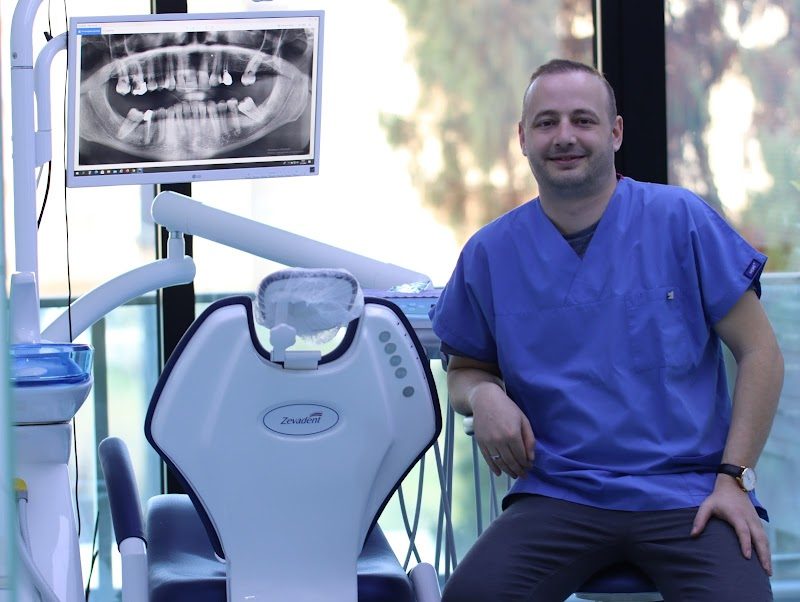
Dt. Osman Babaemin is a physician practising Smile Design in Bursa.
Dt. Bensu Doymuş is a physician practising Smile Design in Antalya.
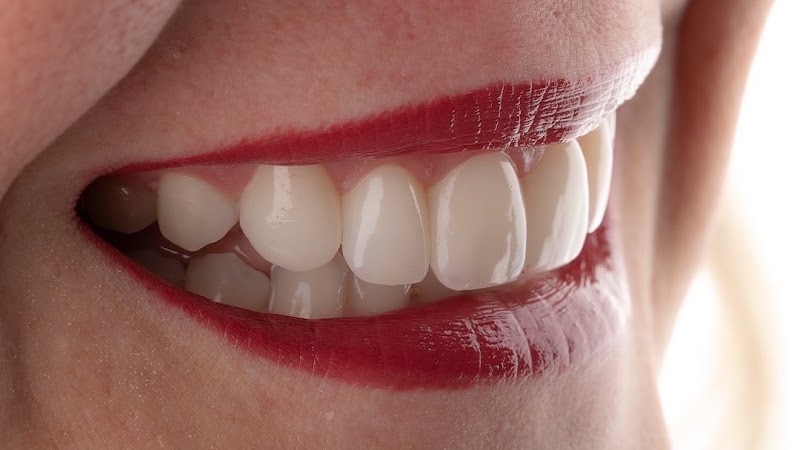
Dr. Şule Ünal is a physician practising Smile Design in Ankara.
Dr. Ephesus Global is a physician practising Smile Design in Izmir.

Dt. Gamze Bayındır is a physician practising Smile Design in Izmir.

Dr. Serpil Şeffaf is a physician practising Smile Design in Beşiktaş, Istanbul.

Dt. Baran Reşitoğlu is a physician practising Zirconium Crowns in Esenyurt, Istanbul.

Dr. Sabri Aka is a physician practising Rhinoplasty in Istanbul.
Smile design is a dental approach that assesses the smile as a whole and brings the treatments it needs into a single plan. It is not the name of one procedure. It is also known as a smile makeover.
A smile design plan looks at the colour, shape and alignment of the teeth, how much gum shows, how the lips move, the facial midline and facial proportions. The aim is to bring the teeth into harmony with the face.
Smile design draws on cosmetic dentistry treatments. The plan may include whitening, veneers, crowns, composite bonding, gum contouring and orthodontic treatment. Which ones are used varies from person to person.
In smile design, the dentist assesses the teeth together with the face rather than one by one. Criteria often used in planning include:
These criteria are not applied like a template. Age, sex, facial structure and personal preference also shape the result. A natural-looking smile can include small differences between teeth.
Digital smile design is planning the smile on a computer using photos, video and intraoral scans. The proposed changes can be visualised before treatment starts. A temporary trial, called a mock-up, is often made afterwards: temporary material is placed over the teeth so you can see the new shape in your mouth. Shape, length or colour can still be adjusted at this stage. The image on the screen may not match the final result exactly, because the biological limits of the teeth and gums affect the outcome.
Smile design starts with an examination and analysis and moves forward in several stages. The process usually follows these steps:
Whitening is usually done before crowns or veneers, so the restorations can be matched to the whitened teeth. Crown and veneer materials cannot be lightened later by whitening.
Smile design is for people who want to correct several smile concerns together and whose oral health allows it. The dentist decides on suitability after an examination. Common reasons include:
If gum disease or widespread decay is untreated, the cosmetic stage does not begin. Heavy teeth grinding raises the risk of thin restorations breaking. If there is marked crowding or a bite problem, orthodontic treatment may be suggested first. In that case a less invasive route is preferred over filing teeth down to make them look straight.
The length of treatment depends on how many procedures are in the plan. A plan with only veneers or crowns is usually completed in one to three weeks over several visits. If gum contouring or orthodontics is added, it can take months.
After visits where teeth are reduced, sensitivity may last a few days. Most people adjust to the new teeth within a few days. If gum work was done, a few weeks are allowed for healing.
With good care, veneers and crowns can be used for many years. Over time they may need replacing because of chipping, colour change or gum recession. The effect of whitening fades over time.
The risks of smile design come from the treatments in the plan. Possible problems include:
Tooth reduction cannot be reversed. Reduced teeth may need to be protected by a restoration for life, so reduction is kept as limited as possible.
The cost depends on the treatments in the plan and the number of teeth treated. The price range on this page gives only a general idea. The main factors are:
The treatments used in smile design differ by the problem they solve and how much they change the tooth.
| Treatment | Role in the smile | Tooth reduction |
|---|---|---|
| Whitening | Lightens the colour of natural teeth | None |
| Veneers | Change the colour and shape of front teeth | Limited, on the front surface |
| Crowns | Cover a damaged tooth completely | More extensive |
| Composite bonding | Closes small gaps and repairs chips | Usually none |
| Gum contouring | Evens out the gum line | None on the tooth |
| Orthodontics | Moves teeth into the right position | None |
When choosing a dentist, experience in cosmetic restorations and planning matters. Complex plans may involve prosthodontists, restorative dentists, periodontists or orthodontists. Ask whether your oral health was assessed, whether you can see a mock-up, how many teeth will be treated and whether a less invasive option exists.
The information on this page is for general information only and is not medical advice. The suitable method for you can only be determined by a physician examination.
₺45.000 – ₺150.000
Türkiye national average. City-by-city price table:
City-by-city price table →