

Dr. Mert Akbaş is a physician practising Dental Aesthetics in Fatih, Istanbul.
Dental veneers are thin restorations bonded to the front of a tooth to change its colour, shape or size, while crowns cover the whole tooth. This page explains how veneers and crowns are made, who they suit, how long they last, aftercare, risks, cost factors and how porcelain, zirconia and composite options compare.
duration180 min
recovery5 days
resultPermanent
price₺40.000–140.000
Ranked by plan, rating and patient reviews
Dr. Mert Akbaş is a physician practising Dental Aesthetics in Fatih, Istanbul.

Dr. Abdulkadir Narin is a physician practising Dental Aesthetics in Şişli, Istanbul.

Dt. Çağdaş Kışlaoğlu is a physician practising Bunny Teeth Aesthetics in Beşiktaş, Istanbul.

Dt. Fikret Altan is a physician practising Zirconium Crowns in Sarıyer, Istanbul.

Dt. Lizge Özdemir is a physician practising Dental Aesthetics in Arnavutköy, Istanbul.

Dt. Berkay Günaştı is a physician practising Dental Aesthetics in Arnavutköy, Istanbul.
Dr. EGE YAPI is a physician practising Dental Veneers in Izmir.

Dt. Deniz Akın is a physician practising Dental Aesthetics in Avcılar, Istanbul.

Dt. Seval Bayrakli is a physician practising Dental Aesthetics in Bahçelievler, Istanbul.

Dt. Şadıman Karadaş is a physician practising Gum Aesthetics in Bahçelievler, Istanbul.

Dt. Rehnuma Yaman is a physician practising Dental Veneers in Bahçelievler, Istanbul.

Dt. Çağdaş Yakın is a physician practising Dental Aesthetics in Bakırköy, Istanbul.
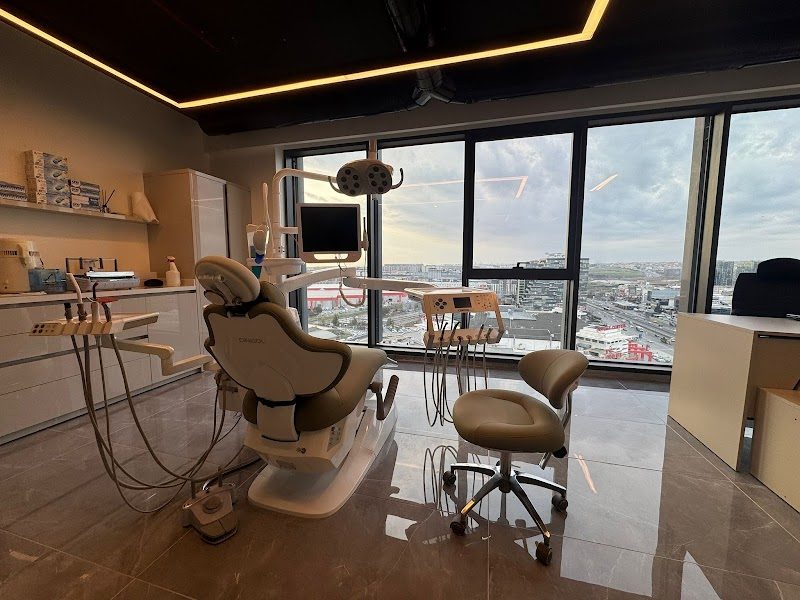
Dt. Mazhar Yargıcı is a physician practising Dental Veneers in Bakırköy, Istanbul.

Dr. Cansın Kutay is a physician practising Dental Veneers in Bakırköy, Istanbul.

Dt. Şenay Yılmaz is a physician practising Dental Aesthetics in Beşiktaş, Istanbul.

Dt. Adem Günaydın is a physician practising Gum Aesthetics in Beşiktaş, Istanbul.
Dt. Gökhan Dokumacıgil is a physician practising Gum Aesthetics in Beşiktaş, Istanbul.

Dt. Ömer Çavuşoğlu is a physician practising Gum Aesthetics in Beşiktaş, Istanbul.

Dt. Nadide Gümüşdüğme is a physician practising Dental Veneers in Beşiktaş, Istanbul.

Dt. Burcu Gürakar is a physician practising Dental Aesthetics in Beykoz, Istanbul.
Dental veneers are thin shells, usually porcelain or composite, bonded to the front surface of a tooth to change how it looks. A restoration that covers the whole visible tooth is called a crown. Both are made in a dental laboratory or with digital systems, and the word veneer is sometimes used loosely for crowns as well.
Veneers are mainly cosmetic. Crowns both protect and reshape a tooth. Teeth with very large fillings, fractures or root canal treatment are often strengthened with a crown. A crown supported by neighbouring teeth to fill a gap is called a bridge, and teeth fitted on dental implants are also a type of crown.
To choose the right option, the dentist looks at how much healthy tooth structure remains.
Veneers and crowns are usually fitted over two or more visits. The process usually follows these steps:
If you are considering whitening, it should be done before veneers or crowns. The colour of the restoration material does not change with later whitening.
Veneers and crowns suit people with tooth damage too large for a filling, or with a clear cosmetic concern. The dentist decides on suitability after an examination.
They are often recommended for:
A full crown is usually not the first option for healthy teeth that only have a colour problem. Whitening, bonding or veneers that need less reduction are considered first. Untreated gum disease is treated before any restoration. In people who grind their teeth heavily, material choice and a night guard are planned separately.
Treatment is usually completed over a few visits within 1 to 2 weeks. With digital scanning and in-clinic milling, some restorations can be made faster. If root canal or gum treatment is needed first, the process takes longer.
Teeth can be sensitive to hot and cold for a few days after shaping. Getting used to a new restoration usually takes a few days. If the bite feels high, the dentist should adjust it.
Restorations should not be expected to last a lifetime. With good care they usually last about 5 to 15 years, sometimes longer. Lifespan depends on oral hygiene, material, teeth grinding and regular check-ups. Decay can still develop at the edge of a restored tooth.
Care for veneers and crowns is no different from care for natural teeth. The tooth beneath and the gum around it are living tissue, and their health determines how long the restoration lasts.
If a restoration feels loose, chips or darkens at the edge, see your dentist without waiting.
Veneers and crowns are irreversible treatments and carry some risks. Possible problems include:
Removed tooth structure does not grow back, and a reduced tooth will need a restoration for life. This is why the amount of reduction on healthy teeth is planned carefully.
The types differ in material and in how much of the tooth they cover.
| Type | Structure | Common use | Point to consider |
|---|---|---|---|
| Porcelain fused to metal | Porcelain over a metal framework | Back teeth and bridges | A dark line may show at the margin if the gum recedes |
| Zirconia | Zirconia framework or solid zirconia | Front and back teeth, bridges | Translucency varies by type |
| All-ceramic (such as lithium disilicate) | Metal-free glass ceramic | Front teeth, single crowns | Limited use in long bridges |
| Porcelain veneer | Thin ceramic bonded to the front surface | Colour and shape changes on front teeth | Needs a healthy enamel surface |
| Composite veneer | Tooth-coloured resin | Small shape corrections | Can stain over time |
A full crown requires reduction on every side of the tooth, while a veneer needs more limited reduction on the front surface only.
The cost depends on the material and the number of teeth. Other factors include laboratory work and digital design, any fillings, root canal or gum treatment needed first, temporary restorations and trial stages, the city and the dentist's experience. The price range on this page gives only a general idea; the exact fee comes from the treatment plan.
Veneers and crowns are made by dentists, and prosthodontists take part in complex cases. When choosing, you can check:
You can compare dentists listed on DoktorNo by city.
The information on this page is for general information only and is not medical advice. The suitable method for you can only be determined by a physician examination.
₺40.000 – ₺140.000
Türkiye national average. City-by-city price table:
City-by-city price table →